Cultural Nuances in K-Dramas That Often Surprise Foreign Viewers
Explore the cultural nuances in K-dramas that catch foreign viewers off guard, from social etiquette to culinary highlights.
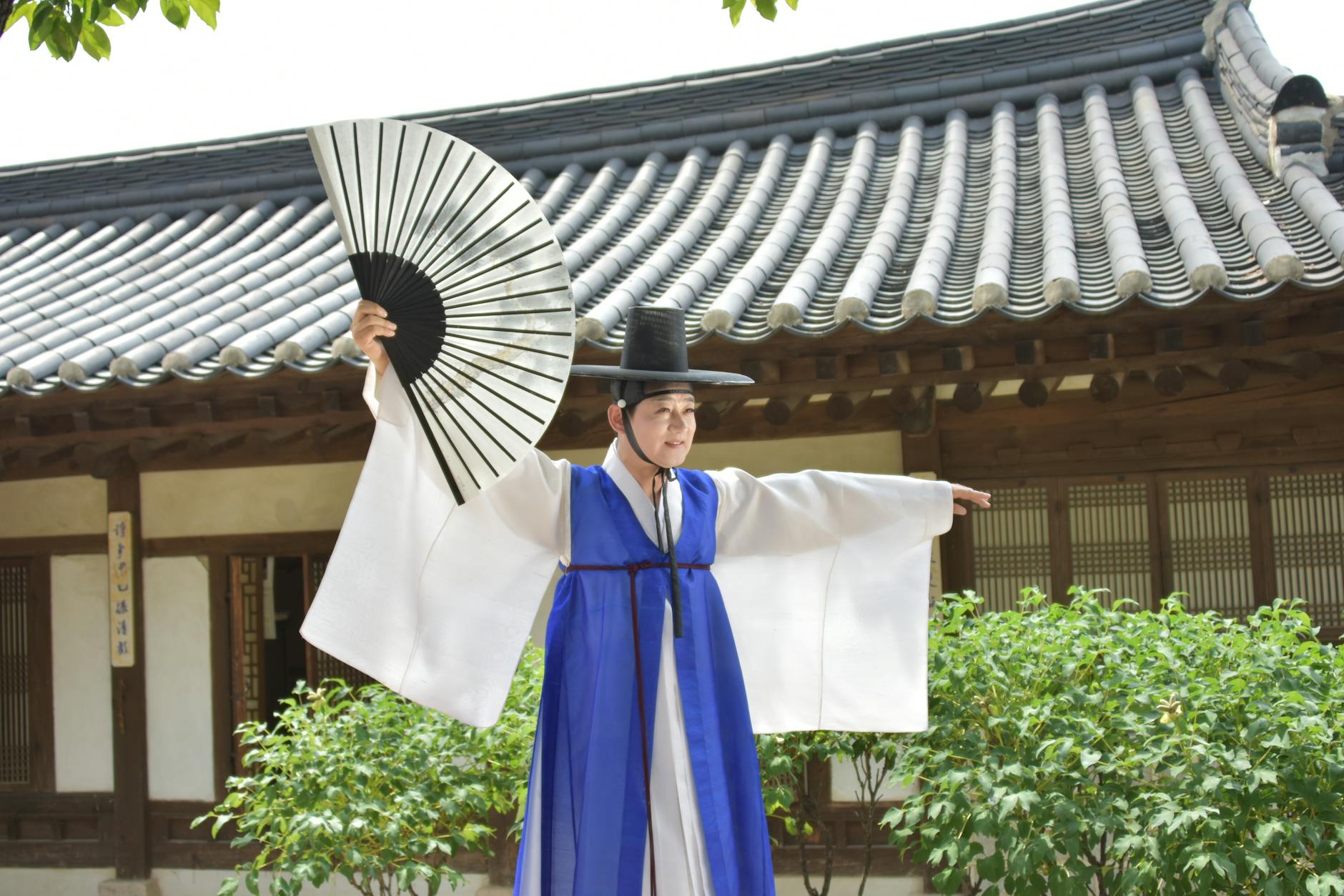
K-dramas have skyrocketed in popularity over the past few years, attracting a global audience eager to dive into the stories and characters that resonate with many Koreans. As someone living in Seoul, I often find myself reflecting on the cultural nuances that may surprise foreign viewers. These subtleties not only enrich the viewing experience but also provide insight into everyday Korean life.
Social Etiquette and Hierarchy
One of the most striking aspects of K-dramas is their portrayal of social hierarchy and etiquette. This societal structure is deeply embedded in Korean culture and often leaves foreign viewers puzzled. For example, the way characters address each other can reflect their relationships and social standing.
In many dramas, you’ll notice characters using formal language when speaking to elders or superiors. A classic example is “Mr. Sunshine”, where the interactions between the protagonist and his mentor are laden with respect and formality. Foreign viewers might not fully grasp why characters bow or use formal titles like “sajang-nim” (boss) or “seonsaeng-nim” (teacher) in casual conversations.
The Role of Food in Relationships
Food is a recurring theme in K-dramas, often symbolising love, care, and relationships. In many scenes, characters prepare meals for each other as expressions of affection. Take, for instance, the drama “Dinner Mate”, which revolves around two characters bonding over their shared love for food. Foreign viewers might be surprised by how integral food culture is to social interactions in Korea.
- Banchan: These side dishes served with meals, often shared amongst diners, highlight the communal aspect of dining.
- Korean BBQ: The act of grilling meat at the table is not just about the food; it’s about the experience, making it a key bonding activity.
- Street Food: K-dramas often showcase street food, from tteokbokki to hotteok, illustrating the social fabric of life in Seoul.
In real life, you can experience this in areas like Itaewon or Gwangjang Market, where food stalls draw long lines of locals and tourists alike.
Romantic Expectations and Misunderstandings
K-dramas often depict romantic relationships that can seem exaggerated or unrealistic to foreign viewers. The concept of “love at first sight” is commonplace, alongside grand romantic gestures that border on the implausible. For instance, in “Crash Landing on You”, the lead character’s rescue by a North Korean soldier leads to a whirlwind romance that might come across as overly dramatic.
This portrayal can lead to misunderstandings regarding real-life Korean dating culture, which tends to be more subdued. While romance is celebrated, the subtleties of dating often involve understanding one’s partner through small gestures rather than dramatic confessions.
The Significance of Family
Family dynamics are another area where K-dramas shine a light on cultural differences. In many shows, family plays a central role in characters’ decisions and lives. This element can be both comforting and bewildering for foreign viewers, who may not be accustomed to the same level of familial involvement in personal lives.
In “My Father is Strange”, the plot revolves around the complexities of family ties, showcasing how family loyalty can influence individual choices. This focus on family can be surprising for viewers from cultures where independence is more prevalent.
Workplace Culture and the Grind
The depiction of workplace culture in K-dramas often highlights the long hours and dedication expected from employees. Shows like “What's Wrong with Secretary Kim” illustrate both the humorous and serious aspects of life in a corporate environment. Foreign viewers might be taken aback by the intense dedication portrayed, as well as the social activities that accompany work life, particularly drinking culture post-work.
While K-dramas tend to glamorise aspects of this work culture, the reality can be quite demanding. This societal pressure is a significant part of life in areas like Gangnam, where many corporate offices are located.
Fashion Statements Beyond Trends
The fashion in K-dramas often sets trends, but it also reflects deeper cultural values. Characters’ outfits are not just about style; they convey their personality, background, and even socio-economic status. For example, the sharp suits worn by executives in “The Heirs” signify not only wealth but also authority. Similarly, the casual yet chic styles seen in “Itaewon Class” represent the characters’ desire for individuality in a competitive world.
This nuanced portrayal of fashion provides insights into Korean societal values, which can surprise viewers used to more straightforward character representations in Western media.
Conclusion: Embracing Cultural Nuances
As we watch K-dramas, it's essential to approach them with an understanding of the cultural context that shapes the narratives and character behaviours. The nuances I've outlined here not only enhance our viewing experience but also invite us to reflect on our cultural assumptions and biases.
Next time you find yourself engrossed in a K-drama, consider the layers of meaning behind the interactions, settings, and storylines. What cultural surprises have you come across while watching? In my next post, I’ll explore the impact of K-drama on global beauty standards, examining how these shows influence trends and perceptions around the world.
Photos by 성두 홍, Luiz M, Line Knipst via Pexels