Squid Game Season 1 vs Season 2: An Honest Comparison
A thoughtful comparison of Squid Game Season 1 and Season 2, exploring themes, character development, and cultural impact from a Seoul perspective.
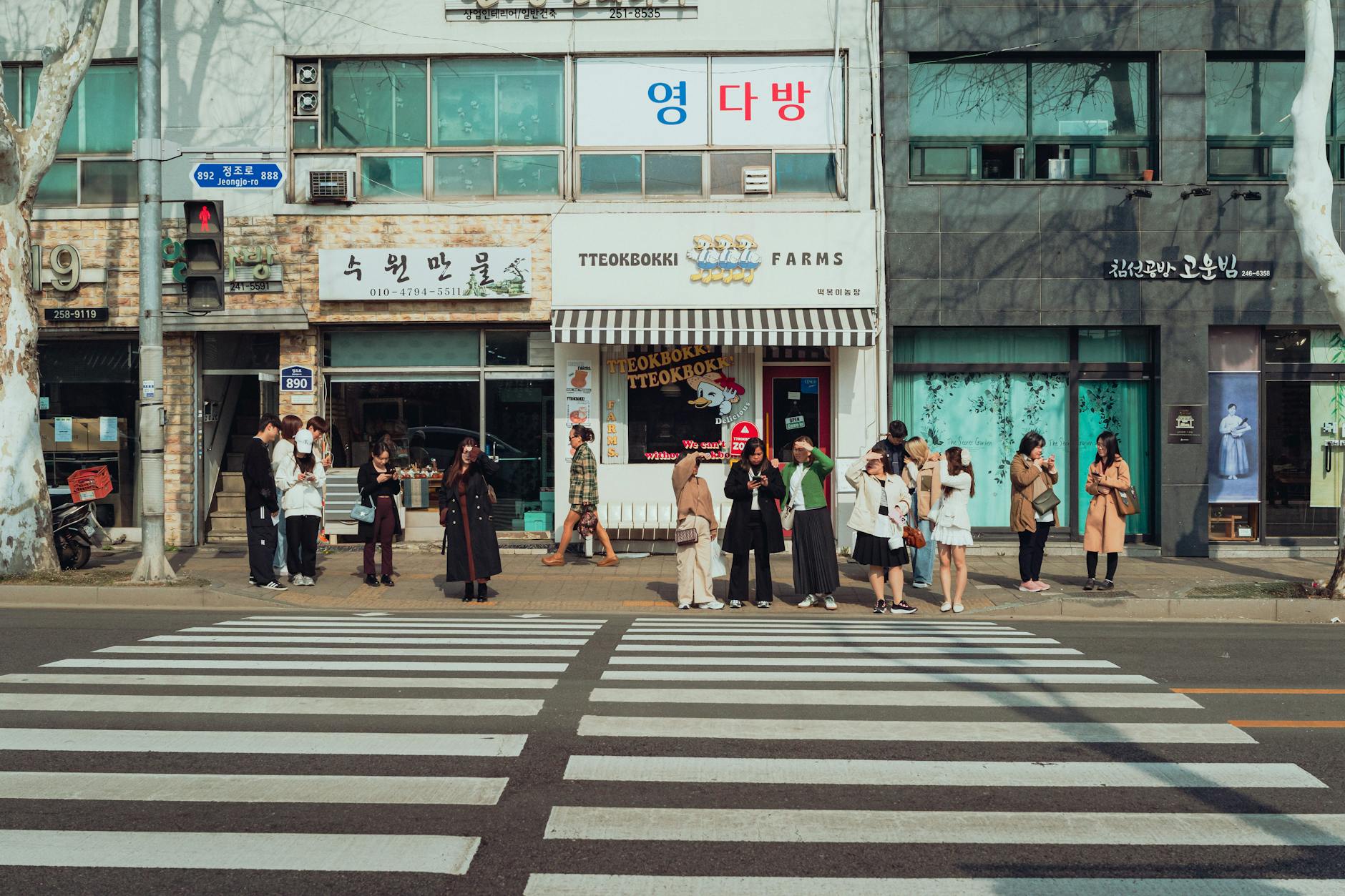
The streets of Yeonnam-dong buzz with excitement as Squid Game continues to dominate conversations among locals. With the recent release of Season 2, I couldn’t help but reflect on how the series has evolved since its explosive debut in 2021. In this comparison, I’ll share my perspective on both seasons, focusing on character development, themes, and overall impact.
Storytelling: From Shock Value to Deeper Themes
Season 1 of Squid Game was a cultural phenomenon, drawing viewers in with its shocking premise: desperate participants competing in deadly children’s games for a massive cash prize. This season effectively combined suspense and social commentary, exposing the depths of human desperation and the consequences of capitalism. The series excelled in its ability to balance entertainment with a critique of societal issues.
In contrast, Season 2 attempts to build on that foundation, delving deeper into the motivations of its characters and revealing more about the enigmatic organization behind the games. While the ambition is commendable, some may find the pacing slower and the narrative less immediate than what Season 1 offered. It seems to focus more on character backstories, offering a deeper dive into the psychological aspects of the participants.

Character Development: Who Survives the Game?
The cast of Season 1, led by Lee Jung-jae as Seong Gi-hun, was compelling enough to leave a lasting impression. The relationships and conflicts among the players were intricately woven, showcasing a diverse range of personalities. Each character, from the crafty Sae-byeok (Jung Ho-yeon) to the scheming Jang Deok-su (Park Hae-soo), contributed to the show’s rich tapestry.
Season 2 brings back familiar faces, but introduces new players and a deeper exploration of existing characters. Some viewers have found this expansion rewarding, noting that it adds layers to the motivations behind their actions. However, others argue that the new characters lack the same depth or charisma that made the original cast so engaging. This is particularly true for the online buzz surrounding new players, which feels overhyped compared to the unforgettable dynamics of Season 1.
Key Characters from Both Seasons
- Gi-hun (Lee Jung-jae): The reluctant hero grappling with guilt and loss.
- Sae-byeok (Jung Ho-yeon): A survivor with a heartbreaking backstory that resonated with many.
- Deok-su (Park Hae-soo): The villain who embodied the ruthlessness of the games.
- New Entrants: The newer characters, while interesting, often seem overshadowed by the iconic originals.
Themes: Social Commentary and Cultural Reflections
One of the most praised aspects of Season 1 was its biting social commentary. It struck a chord, particularly in South Korea, where economic disparities and mental health struggles have become increasingly visible. The game’s premise served as a metaphor for societal pressures, and the show ignited discussions that permeated beyond mere entertainment.
Season 2 attempts to build on this thematic foundation, exploring not just individual survival but also collective trauma and the dynamics of power. However, while the ambition is there, some viewers might feel that it does not resonate as powerfully as the original. The social critiques, while still present, appear somewhat diluted in the midst of the new plotlines. This leaves one wondering if the creators have strayed too far from what made the first season impactful.
Cinematic Elements: Visuals and Soundtrack
Visually, both seasons remain striking. The cinematography in Season 1 was lauded for its vibrant yet unsettling aesthetics, capturing the juxtaposition between innocence and horror. The game sets were meticulously designed, creating a nightmarish playground that drew viewers in.
Season 2 continues this trend, introducing new game settings that are imaginative yet grounded. The use of colour and symbolism remains a strong point, enhancing the overall viewing experience. The soundtrack, a mix of haunting melodies and energetic beats, plays a crucial role in building tension. However, some may feel that the score lacks the same impact as the original, perhaps indicating a shift in tonal focus.
Public Reception and Cultural Impact
When Season 1 was released, it not only shattered records on Netflix but also sparked global conversations about its themes and characters. The show’s cultural impact was immediate; you could see its influence in fashion, social media trends, and even in local cafes in Itaewon, where themed menus popped up, featuring dishes inspired by the show.
Season 2, however, faces the challenge of living up to such monumental expectations. Early reviews suggest a divided audience. While some praise its willingness to explore new narratives, others express disappointment, feeling that it doesn’t capture the same magic as the first season. Whether this season will enjoy the same cultural phenomenon remains to be seen.
Conclusion: Is Seasonal Progression Worth It?
As a resident of Seoul, it’s fascinating to see how this show has transformed from a local hit to a global sensation. While I appreciate the ambition of Season 2, I find myself grappling with whether it truly lives up to the legacy of its predecessor. The strengths of Season 1 — its character depth, urgent pacing, and impactful social commentary — set a high bar that Season 2 may not fully reach.
In the end, whether you prefer the nail-biting tension of Season 1 or the deeper explorations of Season 2 will likely depend on your own tastes in storytelling. What remains undeniable is the impact that Squid Game has had on both entertainment and cultural dialogue, especially here in Korea.
As I look forward to future developments in the Squid Game narrative, I wonder what other themes or characters might emerge. Would you like to see a more extensive exploration of the backstories of existing characters, or do you prefer to focus on entirely new players? Your thoughts are welcome.
Photos by Theodore Nguyen, makafood, Muneeb Babar via Pexels