Understanding K-Drama Character Archetypes and Their Meanings
Explore the intriguing world of K-drama character archetypes and learn about their meanings within the context of contemporary Korean culture.
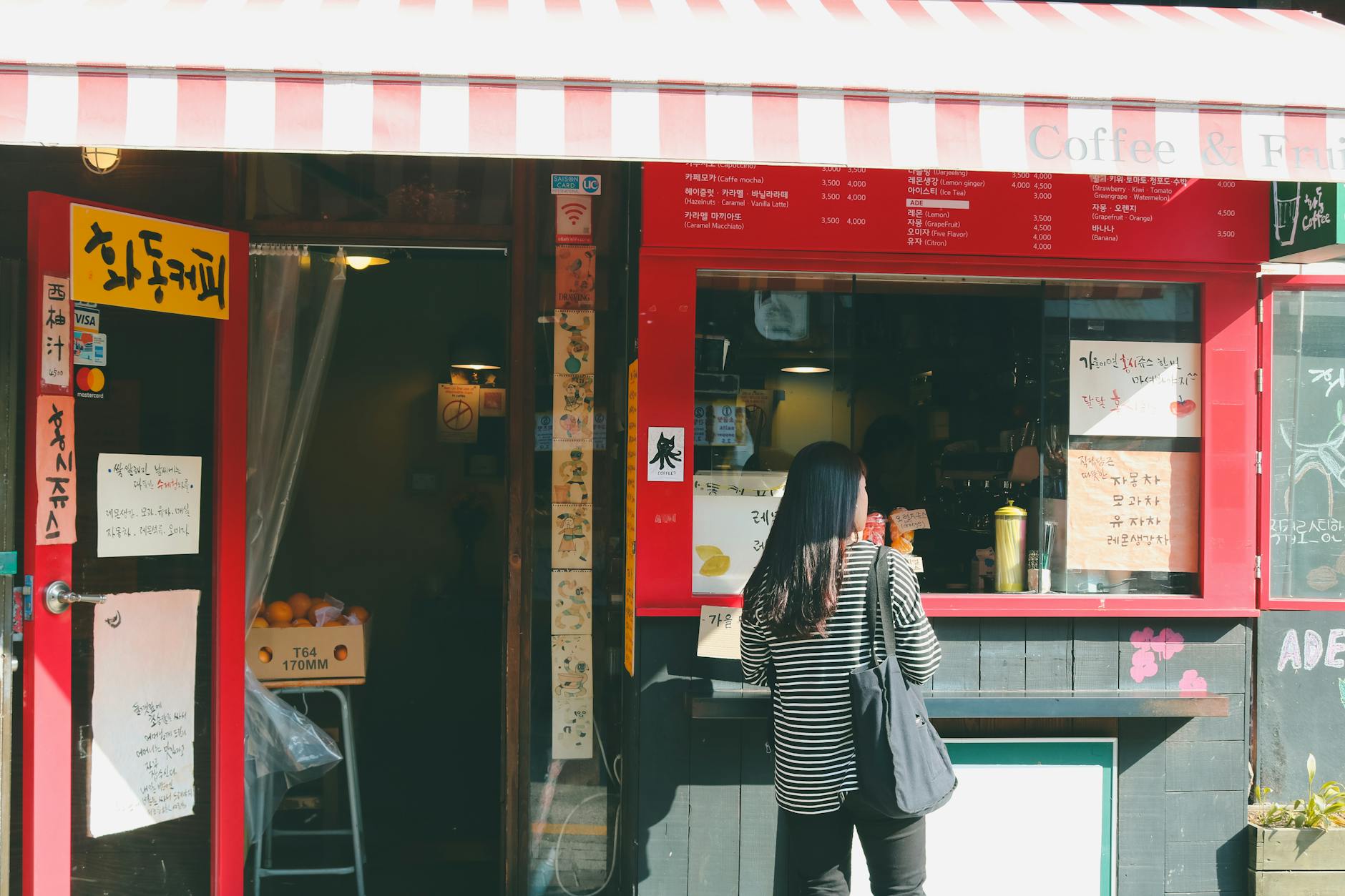
Walking through the bustling streets of Gangnam, it's hard not to notice the growing influence of K-dramas on everyday life in Seoul. Whether it's a stylish café inspired by a hit series or merchandise featuring beloved characters, these shows have left an indelible mark on our culture. But beyond the aesthetics, the character archetypes that populate these dramas offer a fascinating glimpse into societal values and personal dynamics.
The Importance of Character Archetypes
Character archetypes serve as foundational elements in storytelling, providing viewers with familiar touchpoints that make narratives relatable. In K-dramas, these archetypes often reflect broader themes prevalent in Korean society, such as family loyalty, ambition, and romance. They also help to establish the emotional landscape that keeps audiences engaged, driving the plot forward.
Common K-Drama Character Archetypes
The Chaebol Heir
One of the most recognisable archetypes in K-dramas is the chaebol heir, typically characterised by their wealth and privilege. Shows like What's Wrong with Secretary Kim illustrate how these characters often navigate complex family expectations, personal desires, and romantic entanglements. Their stories commonly explore themes of redemption and the weight of legacy.
The Hardworking Underdog
In contrast, the hardworking underdog is a staple who embodies resilience and determination. Characters like those in Fight for My Way present relatable struggles, often dealing with societal pressures and personal aspirations. This archetype resonates with many viewers, particularly younger audiences, as it reflects the contemporary challenges of employment and self-worth.
The Second Lead Syndrome
The phenomenon known as "Second Lead Syndrome" is not just a trope; it’s an emotional rollercoaster that many fans experience. The second lead often displays admirable qualities and a deep sense of understanding, making them compelling characters in their own right. This contrast often drives the narrative tension, particularly in romantic dramas. Shows like Weightlifting Fairy Kim Bok-joo have cleverly played with this concept, providing depth to the storyline while keeping audiences invested.
The Role of Female Archetypes
The Strong Female Lead
In recent years, there's been a noticeable shift towards more empowered female characters. Strong female leads, like the ones in My Name and She Was Pretty, challenge traditional portrayals of women in K-dramas. They often combat societal stereotypes, embodying independence and strength while still navigating their relationships and careers.
The Quirky Best Friend
Often a source of comic relief, the quirky best friend provides a lighter counterbalance to the main lead's struggles. However, their role goes beyond being a sidekick; they often offer vital support, wisdom, and sometimes even uncomfortable truths. Characters like Kim Mi-soo from Stranger are perfect examples of how these archetypes add layers to the narrative while remaining relatable.

Archetypes and Their Cultural Significance
Understanding these character archetypes can enrich the viewing experience. They represent facets of Korean society, from the pressures of success to the challenges of personal relationships. Moreover, as K-dramas continue to gain international popularity, viewers worldwide are not just consuming entertainment; they are also engaging with Korean values and cultural norms.
The Complexity of Relationships
Many K-dramas explore complex interrelationships among archetypes. The combination of the chaebol heir and the hardworking underdog, for instance, often leads to a dynamic that highlights class struggles and personal growth. This interplay invites viewers to reflect on their relationships and the societal structures around them.
Are These Archetypes Overrated?
While these archetypes are deeply embedded in K-drama culture, some critics argue that they can be overrated and repetitive. It’s not uncommon to find similar storylines cycling through multiple shows, which can lead to viewer fatigue. However, even within these familiar patterns, skilled writing and innovative plots can still offer fresh perspectives.
Conclusion
Character archetypes in K-dramas are more than just tropes—they reveal deeper narratives about Korean society and culture. Reflecting both historical norms and contemporary values, they create an intricate tapestry that informs personal relationships and societal expectations.
As I continue to explore the nuances of K-drama, my next post will consider how these archetypes evolve in response to changing societal dynamics. What are your thoughts on the character archetypes in your favourite K-dramas?
Photos by Khoa Nguyen, Võ Nguyễn ( Terri ), Quang Lự Đỗ via Pexels