Why MLB Korea Caps and Bags Captivated Asian Fashion
Explore the reasons behind the popularity of MLB Korea caps and bags across Asia and how they've become a staple in urban fashion.
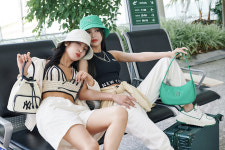
Strolling through the streets of Hongdae, you can't help but notice the sea of MLB caps and bags adorning the heads and shoulders of young people. In cafes and on the subway, these items are practically ubiquitous. As someone living in Seoul, I’ve watched this trend develop and wondered why exactly Korean MLB merchandise has taken off so dramatically across Asia.
The MLB Collaboration and Its Emergence
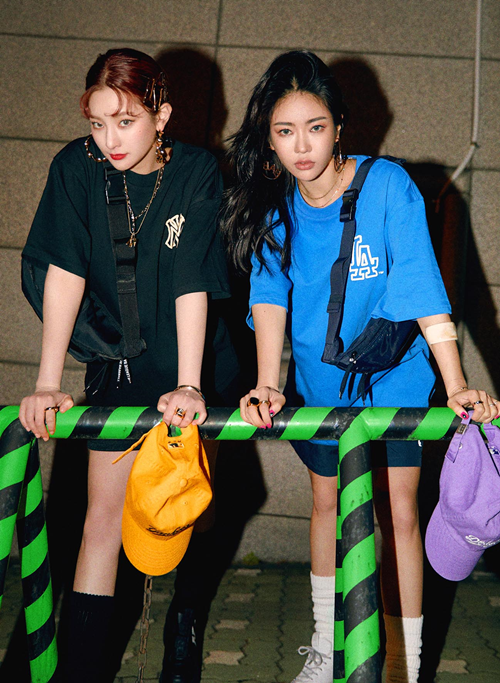
The MLB Korea collaboration began as a way to merge the love for baseball with street fashion. The brand has cleverly positioned itself to capitalise on the growing trend of casual wear in urban settings, particularly in Korea. Since its launch, the line has expanded to include a variety of products beyond caps, such as bags, jackets, and T-shirts, often featuring bold colours and oversized designs.
Prices vary significantly; for instance, a typical MLB cap will set you back around 39,000 won (approximately $30), while bags can range from 50,000 won ($38) to 100,000 won ($76) depending on the style and material. This pricing strategy aligns well with the target demographic, making it accessible while still retaining a sense of style.
Impact of K-Pop and Celebrity Endorsements
K-Pop culture has undeniably played a crucial role in propelling the popularity of MLB Korea merchandise. Idols from groups like BTS and BLACKPINK have been spotted wearing these caps, instantly boosting their desirability among fans. This phenomenon isn’t unique to Korea; it has resonated across various Asian markets, creating a ripple effect.
- Influential K-Pop stars: Their impact on fashion trends is profound.
- Street style aesthetics: Fans emulate the casual yet trendy looks of their idols.
- Social media buzz: Platforms like Instagram amplify visibility and desirability.
While some might argue that the hype surrounding these items is overrated, it’s hard to deny their presence in everyday fashion. Outside of K-Pop, many influencers and fashion enthusiasts showcase MLB Korea in their styles, further cementing its role in contemporary fashion.
Local Adaptations: The Customisation Factor
One of the aspects that makes MLB Korea particularly appealing is the local customisation options. Many people in Seoul visit shops in areas like Garosu-gil, where they can personalise caps and bags with embroidered names or unique patches. This adds a personal touch to an otherwise mass-produced item, making it feel exclusive and special.
Where to Buy
For those interested in picking up their own MLB gear, stores like MLB Korea’s official website and various branches at locations like Lotte Department Store in Myeongdong offer a wide range of options. Olive Young stores also stock limited edition products, so keep an eye on their shelves.
The Global Attraction
The appeal of MLB Korea caps and bags has extended beyond the borders of Korea. Countries like Japan and China have also embraced the trend, often with local variations that blend their cultural aesthetics with the classic MLB look. Collaborations with local artists and designers have further enhanced the brand's image, making it fashionable across diverse markets.
In Japan, for instance, the caps are often styled with streetwear looks that incorporate layers and eclectic accessories. Meanwhile, in China, the items are marketed as symbols of a cosmopolitan lifestyle, often featured in high-end fashion districts.
Is the Hype Justified?
As I see people flocking to stores to get the latest MLB releases, I can’t help but question whether the buzz around these items is sustainable. While the collaboration has undoubtedly created a significant following, trends can be fleeting. The current popularity might dwindle as new styles emerge, but for now, MLB Korea seems to have struck a chord with urban youth.
Conclusion: A Trend In Flux
Ultimately, the rise of MLB Korea caps and bags encapsulates a blending of sports culture, street fashion, and K-Pop influence. While it might not be for everyone, its role in shaping the current fashion landscape—especially in Seoul—is hard to overlook. As someone who enjoys observing the rhythm of style in the city, I will be keeping an eye on how this trend evolves.
What will I write about next? I’m curious about the impact of vintage fashion in Seoul’s ever-changing style scene.
Photos by via Pexels