A Journey to Jeonju Gajok Hoegwan for Original Bibimbap
Discover the authentic taste of Jeonju Gajok Hoegwan's bibimbap and why it's a must-try for food lovers visiting Korea. A true culinary pilgrimage.
Living in Seoul, I'm often bombarded with recommendations for the best places to eat. One dish that consistently comes up in conversations is bibimbap, a staple of Korean cuisine. Recently, I decided to make a trip to Jeonju, the city renowned for its bibimbap, specifically to visit Jeonju Gajok Hoegwan, a restaurant that has claimed its place in the hearts of many.
Jeonju’s culinary reputation is not just hype; the city was even designated a UNESCO Creative City of Gastronomy in 2012. If you’re a food enthusiast residing in Seoul, the original bibimbap pilgrimage to this restaurant is almost a rite of passage. So, let’s dive into this experience.
Getting There
Reaching Jeonju from Seoul is straightforward. I hopped on a KTX train from Seoul Station, which took about 1 hour and 40 minutes. The ticket set me back around 50,000 won (approximately $40). Once I arrived, navigating the city was easy, with plenty of local buses and taxis. Jeonju Gajok Hoegwan is located near Jeonju Hanok Village, so you can also explore the traditional wooden houses after your meal.
The Restaurant Experience
Walking into Jeonju Gajok Hoegwan, you immediately sense the warmth of traditional Korean hospitality. The interior is modest but charming, decorated with wooden beams and traditional Korean art. The menu is concise yet focused, with bibimbap in various forms taking center stage. I opted for the original bibimbap, priced at 12,000 won (around $9).
What Makes It Original?
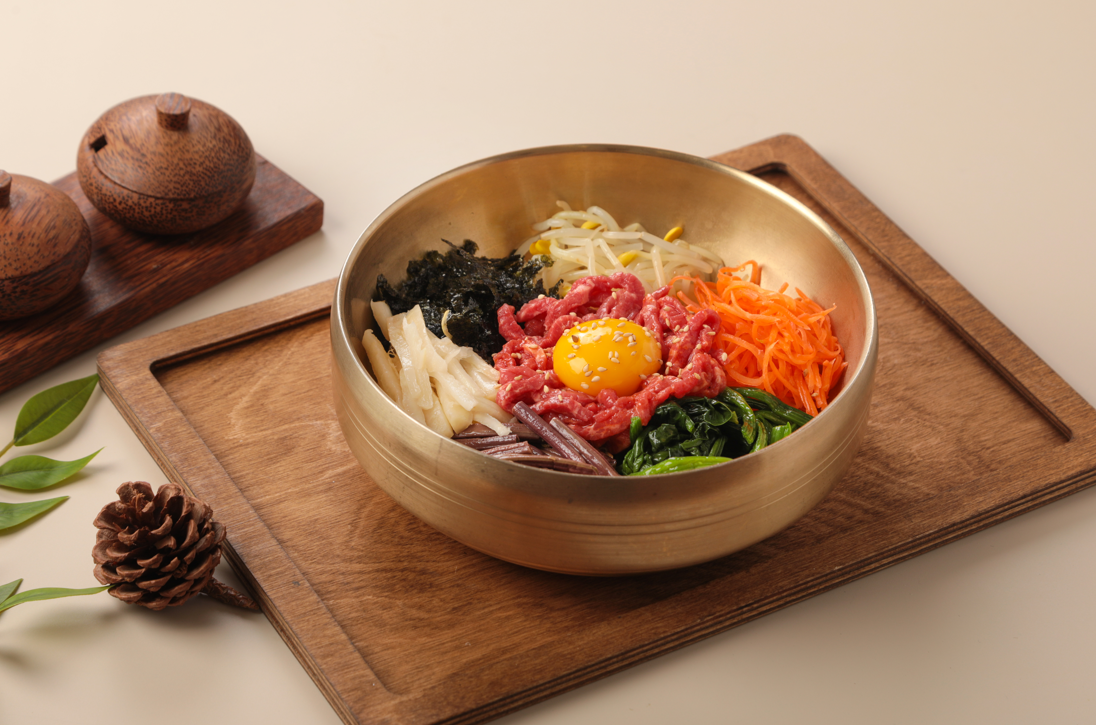
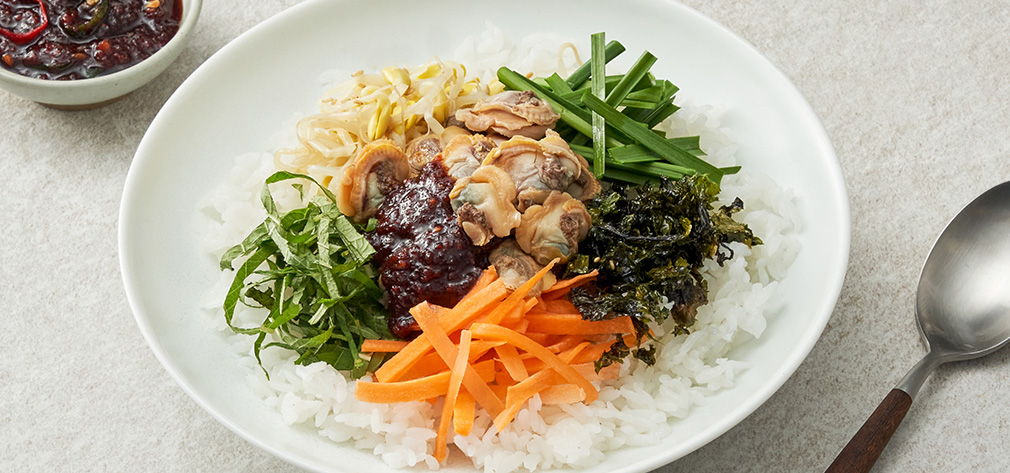
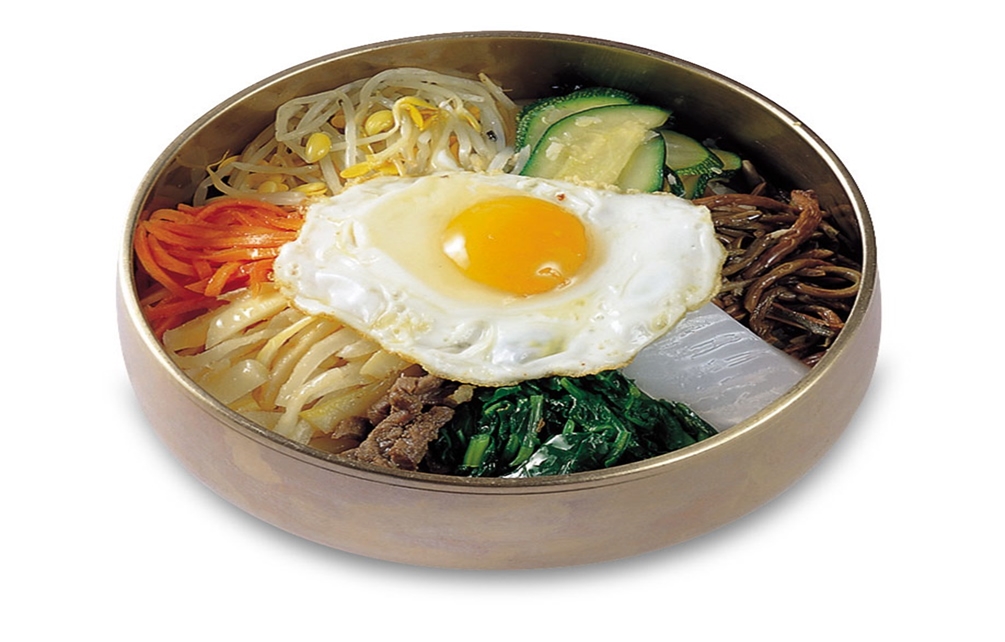
The defining characteristic of Jeonju bibimbap is its use of high-quality ingredients. Each bowl is an artful arrangement of seasoned vegetables, rice, and gochujang (red pepper paste), topped with a fried egg and often some beef. The vegetables are vibrant, showcasing the colours of the season, and the rice is freshly cooked to perfection. But what truly sets it apart is the local specialty—Jeonju’s unique perilla oil, which lends a fragrant note to the dish.
A Closer Look at the Ingredients
- Rice: The rice is often short-grain, fluffy, and sticky, making it easy to mix with other ingredients.
- Vegetables: Ingredients like spinach, carrots, and zucchini are commonly used, all seasoned individually.
- Goat: Many places use beef, but Jeonju bibimbap sometimes incorporates a more diverse protein offering.
- Fried Egg: A perfectly fried egg with a runny yolk adds richness.
The Taste Test
Once my bibimbap arrived, the vibrant colours of the vegetables caught my eye. Mixing everything together, I took my first bite, and it was exceptional. The freshness of the vegetables combined with the nutty flavour of the perilla oil was a revelation. The gochujang added just the right amount of heat without overwhelming the other flavours. The texture of the rice was also noteworthy—each grain distinct and hearty.
While I enjoyed my meal, I couldn't help but ponder: Does the hype surrounding Jeonju bibimbap live up to reality? In this case, I’d argue that it does. However, I remain skeptical about whether it’s the only bibimbap worth seeking out in Korea. Many Seoul restaurants serve excellent versions as well.
Atmosphere and Service
The atmosphere at Jeonju Gajok Hoegwan is casual and welcoming. The staff were attentive but not overly intrusive, which I appreciate. The restaurant was bustling, indicating its popularity among both locals and tourists. The layout allowed for comfortable dining without feeling cramped.
Final Thoughts
My visit to Jeonju Gajok Hoegwan was a delightful experience, and the original bibimbap indeed lives up to its reputation. While there’s something special about eating the dish in its hometown, I wouldn’t discourage exploring bibimbap options closer to home in Seoul, such as the ones at the popular Gwangjang Market.
If you’re considering a food pilgrimage, I recommend making the trip to Jeonju and experiencing the original bibimbap for yourself. It's a chance to appreciate not just the dish but the cultural significance behind it.
In my next post, I’ll explore the best bibimbap spots in Seoul and see how they stack up against what I experienced in Jeonju.
Photos by via Pexels