Korean Home Cooking Dishes Locals Actually Make
Explore authentic Korean home cooking dishes that locals enjoy making, from comforting stews to simple side dishes, all rooted in tradition.
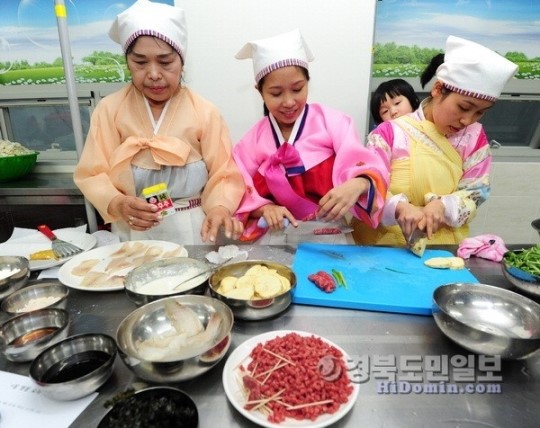
Strolling through Yeonnam-dong, the scent of simmering kimchi jjigae wafts from many homes, a testament to the culinary traditions that define Korean households. While trendy restaurants might showcase contemporary twists on classic dishes, many locals still turn to time-honoured recipes that evoke nostalgia and comfort. Here are some examples of Korean home cooking dishes that residents regularly make.
1. Kimchi Jjigae (김치찌개)
Arguably the most iconic Korean stew, kimchi jjigae is a staple in many homes. Made with overripe kimchi, pork, tofu, and a variety of aromatics, this dish is both hearty and flavourful. Ingredients can be found easily at local grocery stores like H Mart or Olive Young, with prices ranging from 4,000 won (approximately $3) for kimchi to 8,000 won ($6) for pork belly.
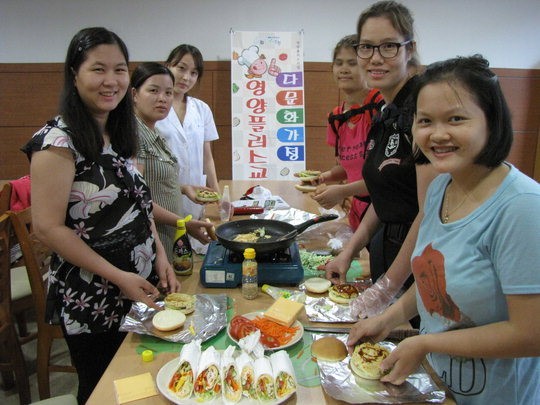
2. Bibimbap (비빔밥)
Bibimbap translates to 'mixed rice,' and it’s a dish that varies widely across families. The base usually consists of warm rice topped with assorted vegetables, gochujang (red pepper paste), and an egg. Some families in Gangnam opt to add bulgogi, while others may include tofu or seafood. A homemade bibimbap can cost around 5,000 won ($4) when you factor in the price of vegetables and rice.
3. Japchae (잡채)
This stir-fried noodle dish made from sweet potato starch noodles is a popular choice for gatherings and special occasions. Japchae is not only delicious but also visually appealing. Families often prepare this dish in bulk, making it a regular at celebrations. The main ingredients, including vegetables and beef, can be found at local markets for about 15,000 won ($12) total.
4. Sundubu Jjigae (순두부찌개)
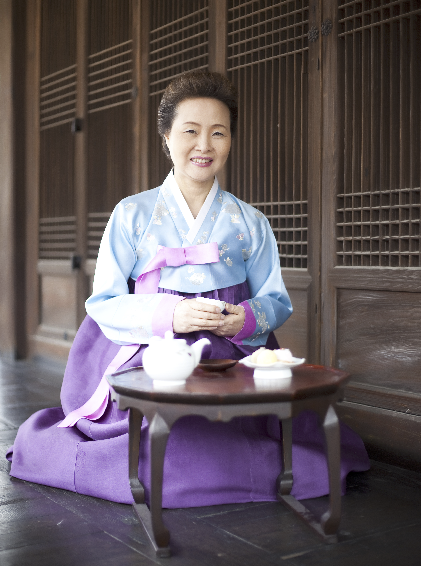
Sundubu jjigae is a silken tofu stew that is especially comforting during colder months. With a base of anchovy broth, the dish usually features seafood or meat, and is topped with a raw egg just before serving. Many locals grab their tofu from small neighbourhood shops, costing around 3,000 won ($2.50) for a block of sundubu.
5. Galbitang (갈비탕)
This soothing beef short rib soup is perfect for family gatherings. Galbitang is simmered for hours, allowing the meat to become tender and flavourful. Ingredients can be a bit pricier, with short ribs costing around 20,000 won ($15) at the butcher. However, it’s often worth it for the hearty and rich broth.
6. Banchan (반찬)
No Korean meal is complete without banchan, which are small side dishes served with rice. Common banchan include namul (seasoned vegetables), pickled radish, and jeon (pancakes). Making these dishes can be simple and inexpensive, with most sides costing less than 2,000 won ($1.50) each to prepare. They are often made in large batches to last through the week.
7. Tteokguk (떡국)
This rice cake soup, traditionally eaten during the Lunar New Year, is a favourite comfort food for many. Tteokguk is made with thinly sliced rice cakes and beef broth, symbolizing the start of a new year. You can find fresh rice cakes in places like H Mart for about 5,000 won ($4).
8. Doenjang Jjigae (된장찌개)
Another beloved stew, doenjang jjigae is made with fermented soybean paste. This dish is often loaded with vegetables and can include tofu or seafood. It’s a regular for many households, thanks to its deep flavour and ease of preparation. A serving can be made for around 4,000 won ($3).
9. Kimbap (김밥)
Often called Korean sushi, kimbap consists of rice and various fillings rolled in seaweed. Families in Seongsu-dong often create their own versions, with fillings ranging from pickled vegetables to bulgogi. Making kimbap is not only economical, with a roll costing about 3,000 won ($2.50) to prepare, but also a fun activity to do together.
10. Gyeran-jjim (계란찜)
Gyeran-jjim, or steamed egg custard, is often served as a side dish in Korean meals. It’s light, fluffy, and easy to make, using just eggs, water, and a bit of seasoning. Typically, it can be prepared for less than 2,000 won ($1.50), making it an affordable addition to any meal.
Conclusion
Korean home cooking reflects a blend of tradition and personal flair. Whether it’s a simple bowl of kimchi jjigae or an elaborate galbitang for special occasions, these dishes not only nourish the body but also connect families and friends. If you’ve tried any of these dishes at home, I’d love to hear about your experiences. What dish reminds you most of home cooking?
In the next post, I will explore how to find the best local ingredients for making these recipes in Seoul.
Photos by via Pexels