Celebrating Lunar New Year: Korean Traditions Today
Curious about how Koreans celebrate Lunar New Year? Discover the customs, foods, and activities that bring families together during this festive time.
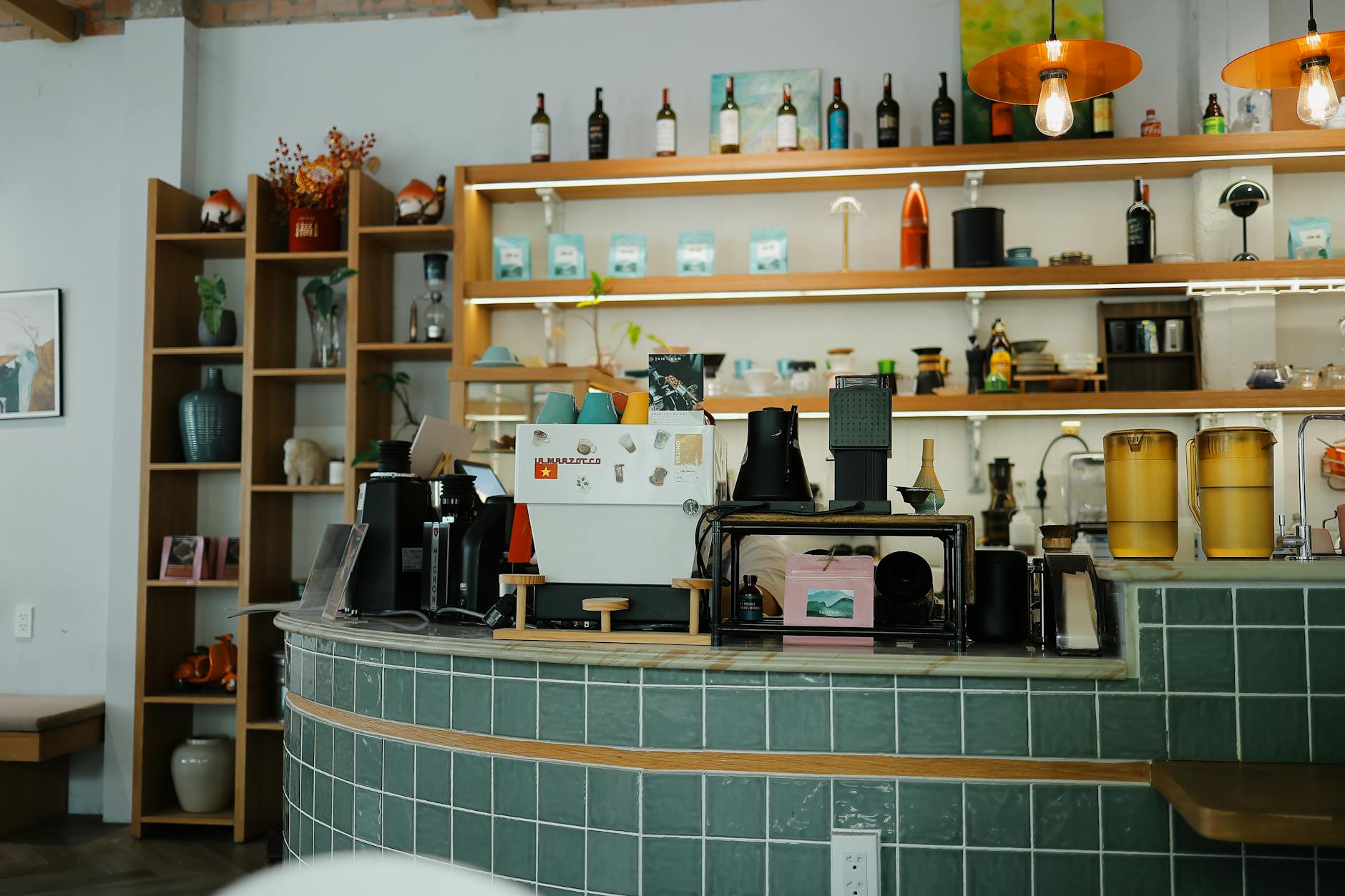
As Seoul gears up for the Lunar New Year, or Seollal, the city takes on a unique rhythm. Streets that bustle with daily life quiet down as many residents prepare to return to their hometowns. In my own experience living in Yeonnam-dong, the sense of anticipation is palpable. The air carries a mix of nostalgia and excitement as families prepare to honour their ancestors and usher in the new year.
Family Gatherings and Ancestral Rights
One of the most significant aspects of Seollal is the family gathering. Many Koreans travel to their hometowns to celebrate with relatives, reflecting a deep respect for familial ties. This is not just another holiday; it is a time for Charye, the ritualistic ceremony to pay respects to ancestors. Families lay out a feast on a table, which might include items like rice, soup, and various side dishes called banchan.
The traditional offerings often include:
- Steamed white rice
- Beef soup (Galbitang)
- Various seasonal fruits
- Fish and meat dishes
Each family has its own variations, but the act of preparing and serving these dishes is steeped in tradition.
The Symbolism of Food
The food served during Seollal is rich in symbolism, representing wishes for health, prosperity, and good fortune in the coming year. One dish that stands out is tteokguk, a traditional rice cake soup that is meant to symbolize the gaining of a year in age and wisdom. A bowl of this warm, hearty soup typically costs around 8,000 won (approximately $6) at local restaurants.
Additionally, you will find jeon (savory pancakes) and fresh fruits like pears and persimmons, all of which play a role in the celebratory feast. However, while many people rave about the importance of these dishes, it’s worth noting that some of the hype may be overstated. Yes, tteokguk is delicious, but the array of food can sometimes feel more about tradition than taste.
Seollal Customs and Activities
Beyond the food, there are specific activities that define the celebration of Seollal. One of the most cherished traditions is sebae, a deep bow showing respect to elders. In return, the elders often give out sebae-money—small amounts of cash, usually around 10,000 won (about $7.50)—as tokens of good luck. This practice, while charming, can feel a bit transactional at times, especially for younger generations.
In conjunction with these familial rituals, many people also indulge in traditional games like yutnori, a board game played with sticks that can be quite competitive. If you visit places like Itaewon during Seollal, you might find cafes and bars hosting yutnori tournaments. It’s a lively way to engage with friends and family, adding a playful element to the solemnity of the holiday.
Urban Vs. Rural Celebrations
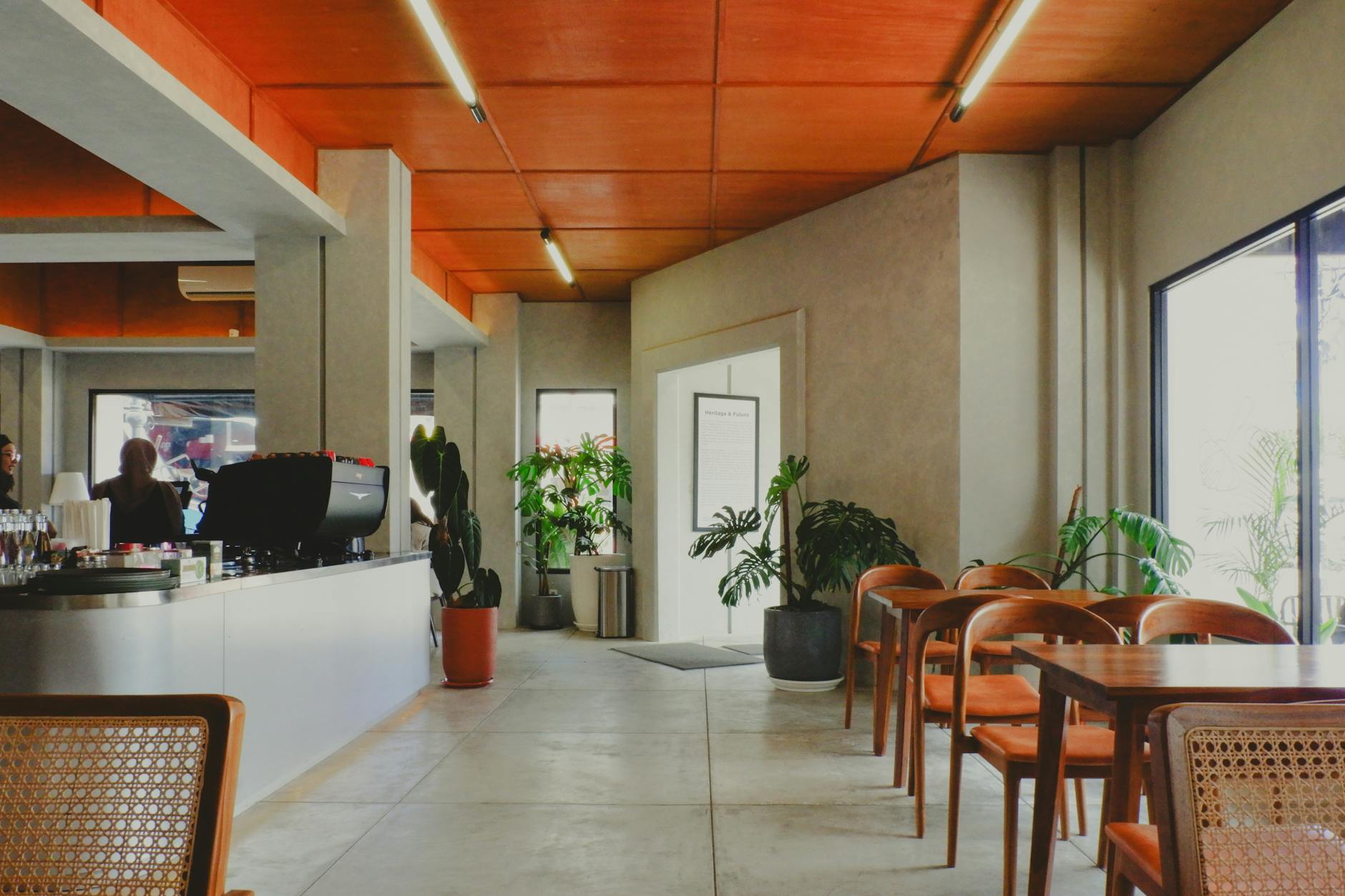
In urban areas like Gangnam and Hongdae, Seollal celebrations can look quite different compared to rural towns. Many young people now opt for convenience, dining out at restaurants instead of preparing elaborate home-cooked meals. Olive Young, a popular beauty retailer, often features festive beauty kits during this time, which many youngsters appreciate as a modern way to participate in the holiday spirit.
However, some may argue that this shift is a loss of tradition. The authentic experience of making tteok at home while bonding with family is something that cannot be easily replicated at a restaurant or store. The interplay between modern convenience and traditional practices is a topic worth exploring further.
Reflections on the Hype
With the increasing popularity of Korean culture worldwide, there's a tendency for some aspects of Seollal to become sensationalized. Many influencers promote extravagant celebrations filled with lavish foods and elaborate settings. While these portrayals can be enticing, they often overlook the simplicity and warmth that characterizes family gatherings. Seollal is not just about the grand displays but rather the quiet, meaningful moments shared with loved ones.
As someone living in Seoul, I find value in the understated, intimate gatherings rather than the extravagant displays often showcased online. Learning to appreciate these nuances allows a richer understanding of the holiday’s significance.
Conclusion: A Time for Reflection
As Lunar New Year approaches, it’s a time for reflection—not just about the past year, but also about how we participate in traditions. Whether you're preparing a feast or simply enjoying the break from daily life, consider what this holiday means to you. Will you be focusing on the family aspect, the food, or perhaps the need for modern adaptations?
Next week, I plan to explore how modern Korean cinema depicts family ties during holiday seasons, focusing on recent films that tackle these themes.
Photos by Nhật Nguyễn Minh, Đan Thy Nguyễn Mai, Drayhan z via Pexels