Mastering Seoul's Subway: A Local's Guide to Getting Around
Discover how to navigate Seoul's subway system like a local with tips on routes, apps, and etiquette for a smooth commuting experience.
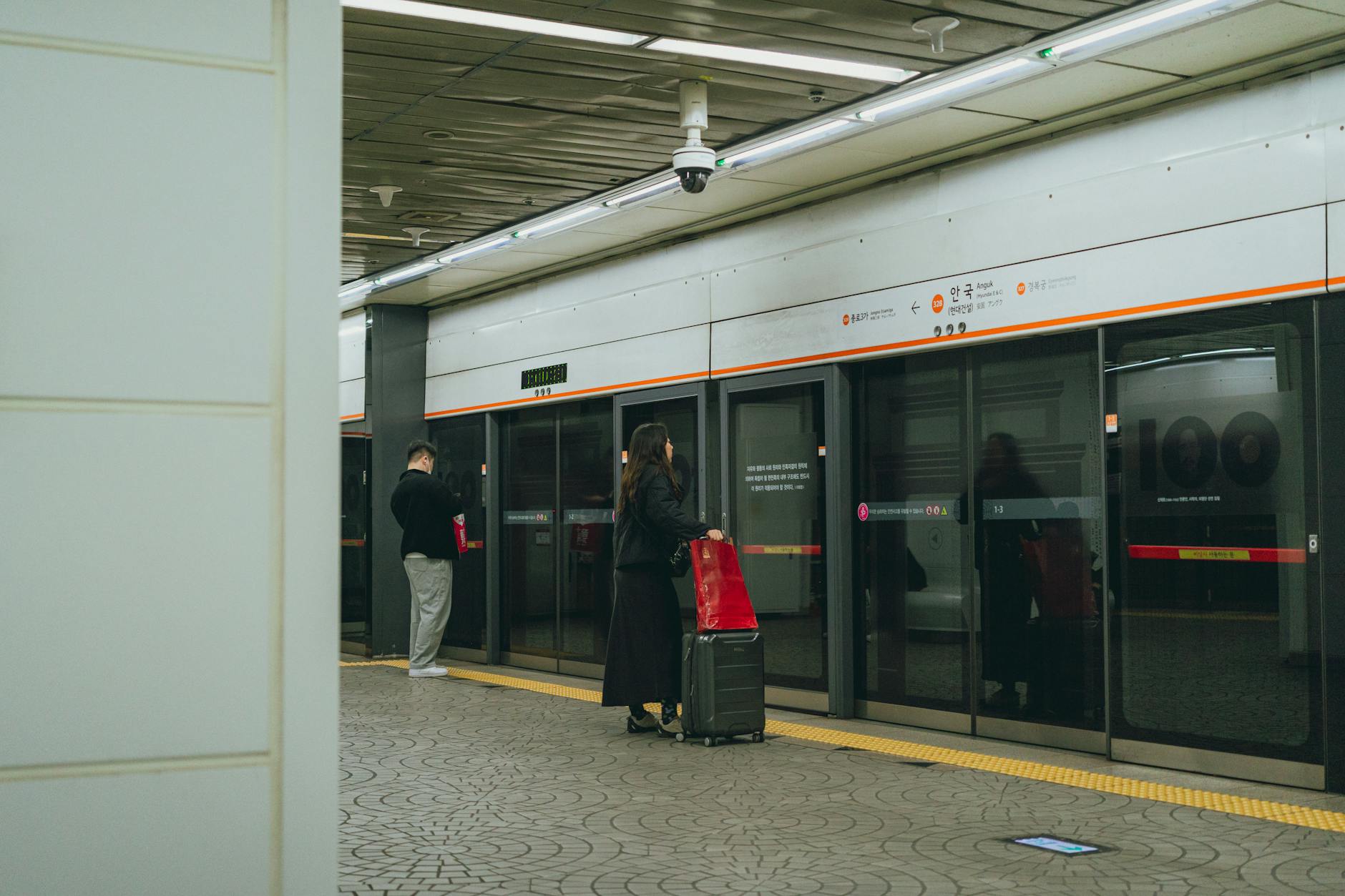
There's a certain rhythm to the hustle and bustle of Seoul, especially when it comes to commuting. If you’ve walked through the streets of Gangnam or Itaewon, you’ve likely seen the sea of people heading in and out of subway stations. As a resident of this vibrant city, I've learned that navigating Seoul's subway system is an essential skill that can make your daily life a lot easier.
Understanding the Subway System
The Seoul Metropolitan Subway is one of the most extensive and efficient transit systems in the world. With 23 lines and over 600 stations, it can be a bit daunting at first. However, the convenience of getting from one neighborhood to another is undeniable. My go-to route often takes me from Yeonnam-dong to Dongdaemun Design Plaza, a journey that’s seamless on the subway.
Fares and Payment Methods
Before you hop on a train, it's important to understand the fare system. A typical trip within the city costs around 1,250 won (approximately $1), but this can vary depending on your destination. To streamline your travels, consider getting a T-money card. You can purchase one at any convenience store, like GS25 or CU, for about 2,500 won ($2) and recharge it as needed. Using this card will save you time and spare you the hassle of buying single tickets every time you ride.
Planning Your Route
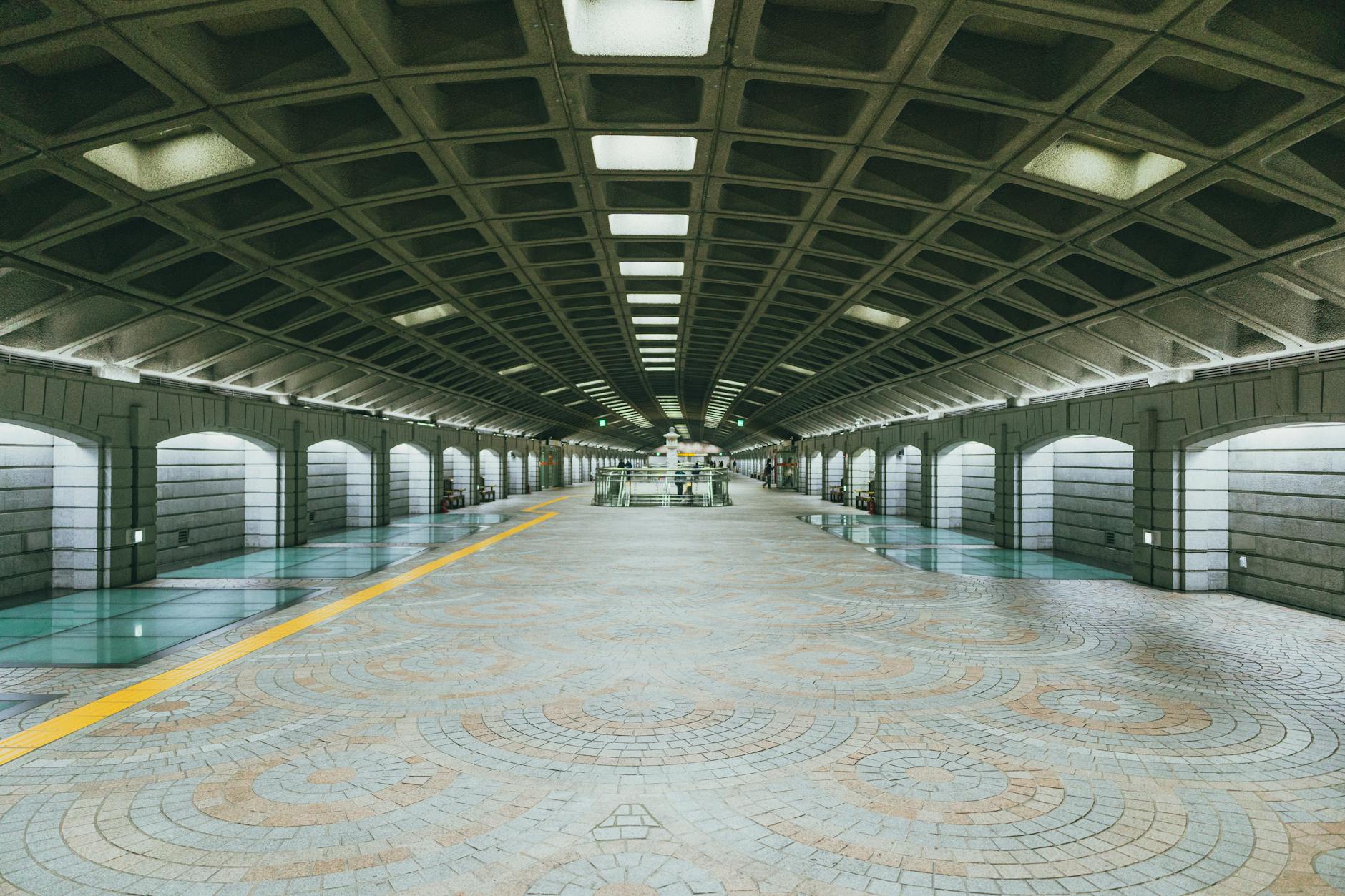
While Seoul’s subway is user-friendly, it’s a good idea to plan your route beforehand. The Korail app and the official Seoul Subway app are both reliable resources. They provide real-time information about train schedules and platform changes, and they even inform you about the fastest routes. You can also check maps at every station, but the apps will save you a bit of time.
Key Lines and Transfers
Some lines are particularly crucial for getting around the city:
- Line 1 (Blue Line): Connects major districts including Jongno and Incheon.
- Line 2 (Green Line): A circular line that hits popular areas like Gangnam, Hongdae, and Itaewon.
- Line 4 (Light Blue Line): Runs through places like Myeongdong and Dongdaemun.
- Line 5 (Purple Line): Takes you to cultural hubs like the National Museum of Modern and Contemporary Art.
Transfers between lines can be a bit tricky, especially during peak hours. It’s not uncommon to see long lines at transfer points like Yeouido or Seoul Station. Try to time your travels to avoid rush hour if possible, or be prepared for a crowded experience.
Station Etiquette
When taking the subway, it’s important to be mindful of local etiquette. Here are some tips to keep in mind:
- Stand on the right side of escalators; keep the left side clear for those in a hurry.
- Keep your voice down; talking loudly or playing music without headphones is frowned upon.
- If you're eating, try to do it discreetly and avoid strong-smelling foods.
- Give up your seat for elderly passengers or those with disabilities.
Adhering to these simple rules helps maintain a pleasant environment for everyone. I’ve often seen tourists obliviously blocking escalators, and it’s a reminder of how small gestures can make a big difference.
Common Challenges and Solutions
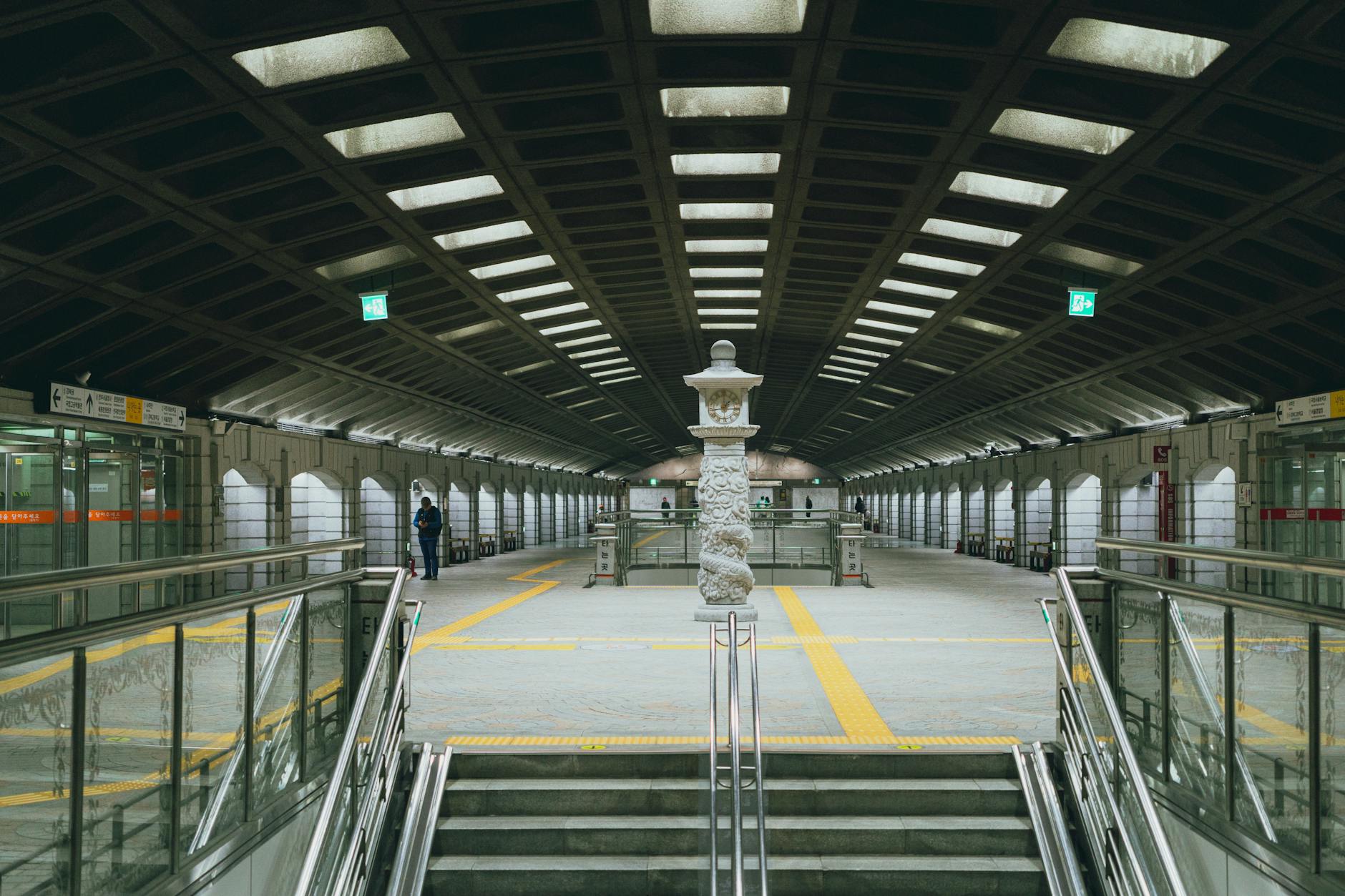
While the subway is generally reliable, challenges do arise. Here are a few common issues I’ve encountered and how to handle them:
- Train Delays: These can happen from time to time. If your train is delayed, check the app for updates or look for announcements on the screens in the station.
- Overcrowding: During rush hour, trains can be packed. If you can't get on a train, the next one is usually only a few minutes away, so be patient.
- Language Barrier: Many signs are in both Korean and English, but if you’re ever unsure, asking a station attendant or a fellow passenger for help is generally well-received.
With these challenges in mind, the subway remains one of the most efficient ways to traverse the city.
Exploring Beyond the Subway
Once you’re familiar with the subway, consider exploring the neighborhoods around the stations. Each area has its own unique charm:
- Hongdae: Known for its youthful energy and vibrant arts scene.
- Itaewon: Offers a diverse range of food and international culture.
- Seongsu-dong: A trendy area filled with cafés and independent boutiques.
- Jongno: The historical heart of the city, home to palaces and traditional markets.
Taking the time to explore these neighborhoods adds an enriching layer to your experience in Seoul.
Wrapping Up
Navigating Seoul’s subway system may initially seem overwhelming, but with a little preparation and practice, you’ll feel like a local in no time. Understanding the routes, paying attention to etiquette, and being aware of common challenges can transform your commuting experience. The subway is not just a means of transportation; it’s a glimpse into the lives of Seoul’s residents.
Next, I’ll be sharing some of my favorite local eats that are conveniently located near subway stations, making your travels even more rewarding.
Photos by Theodore Nguyen, Theodore Nguyen, Theodore Nguyen via Pexels