Humint: A Gritty Look at Espionage in the Korean Thriller Scene
Explore the thrilling world of 'Humint,' a new Korean film that dives into espionage and secrets. A must-watch for thriller enthusiasts.
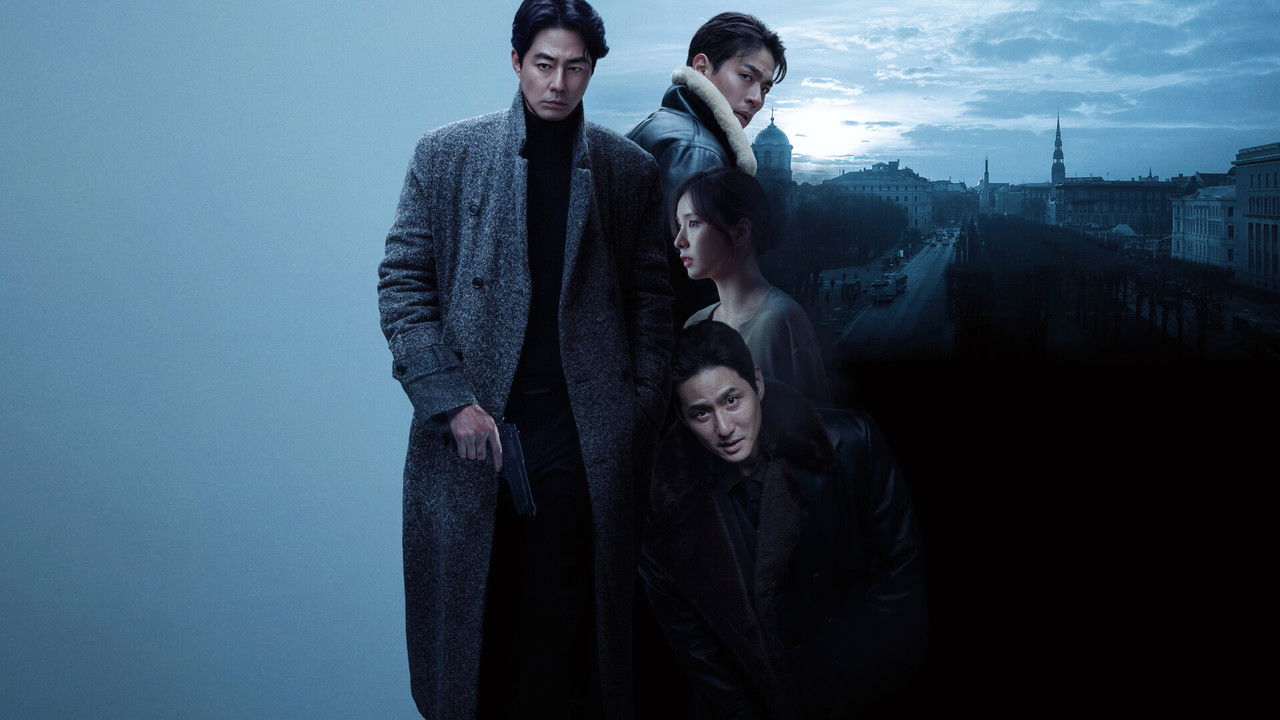
Last weekend, I found myself in the bustling streets of Gangnam, drawn by the buzz surrounding the new Korean film, Humint (휴민트). With a runtime of 120 minutes and a score of 7.4/10 on TMDB, it seemed like a promising entry into the Korean thriller genre. Directed and written by Ryoo Seung-wan, known for his adept storytelling, Humint dives headfirst into the dark world of espionage, pitting South Korean intelligence against a fierce North Korean operative.
Plot Overview
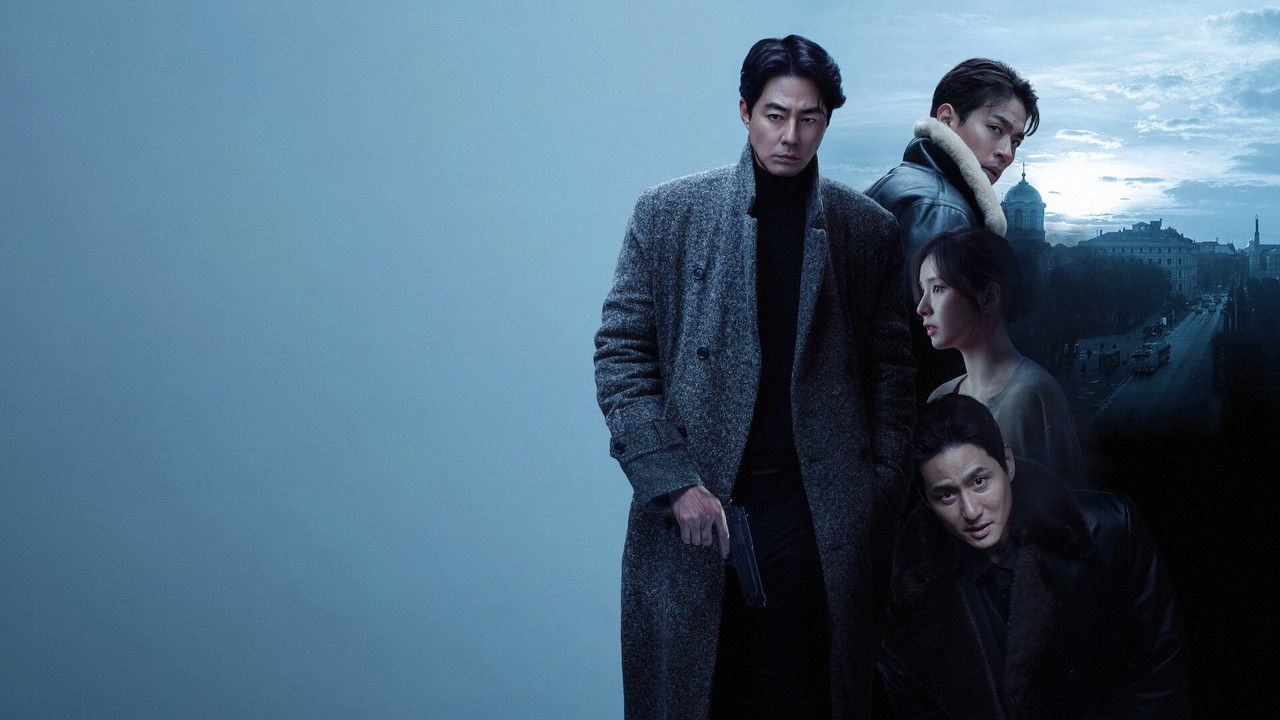
The film follows Manager Zo, played by Zo In-sung, as he hunts down a drug ring operating in Russia. The stakes escalate when he encounters Park Geon, portrayed by Park Jeong-min, a North Korean agent. Their confrontation spirals into a tale filled with peril and tangled secrets that keep the audience at the edge of their seats. It’s a classic setup for a thriller, but with a distinctly Korean touch that makes it relatable yet deeply engaging.
Character Depth and Performances
One of the standout features of Humint is its character development. Manager Zo is not just a typical agent; he carries the weight of his past, which adds complexity to his character. Zo In-sung delivers a nuanced performance, embodying the struggles of loyalty and morality in a world filled with grey areas. Similarly, Park Jeong-min's portrayal of Park Geon provides a compelling counterpoint, making their dynamic one of the film's highlights.
Beyond the leads, the supporting cast is equally impressive. Park Hae-joon as Hwang Chi-seong and Shin Sae-kyeong as Chae Seon-hwa both enhance the storyline with their distinct portrayals, contributing to an intricate web of relationships and conflicts. The film doesn't shy away from showing the human side of these characters, even in the midst of high-stakes action.
Thematic Elements
At its core, Humint explores themes of trust and betrayal. In a world where everyone has hidden agendas, the line between friend and foe often blurs. This thematic depth resonates strongly with current socio-political dynamics in the Korean peninsula, making it relevant on multiple levels. Ryoo Seung-wan's direction balances action sequences with emotional moments, allowing for an engaging viewing experience.
Visuals and Cinematography
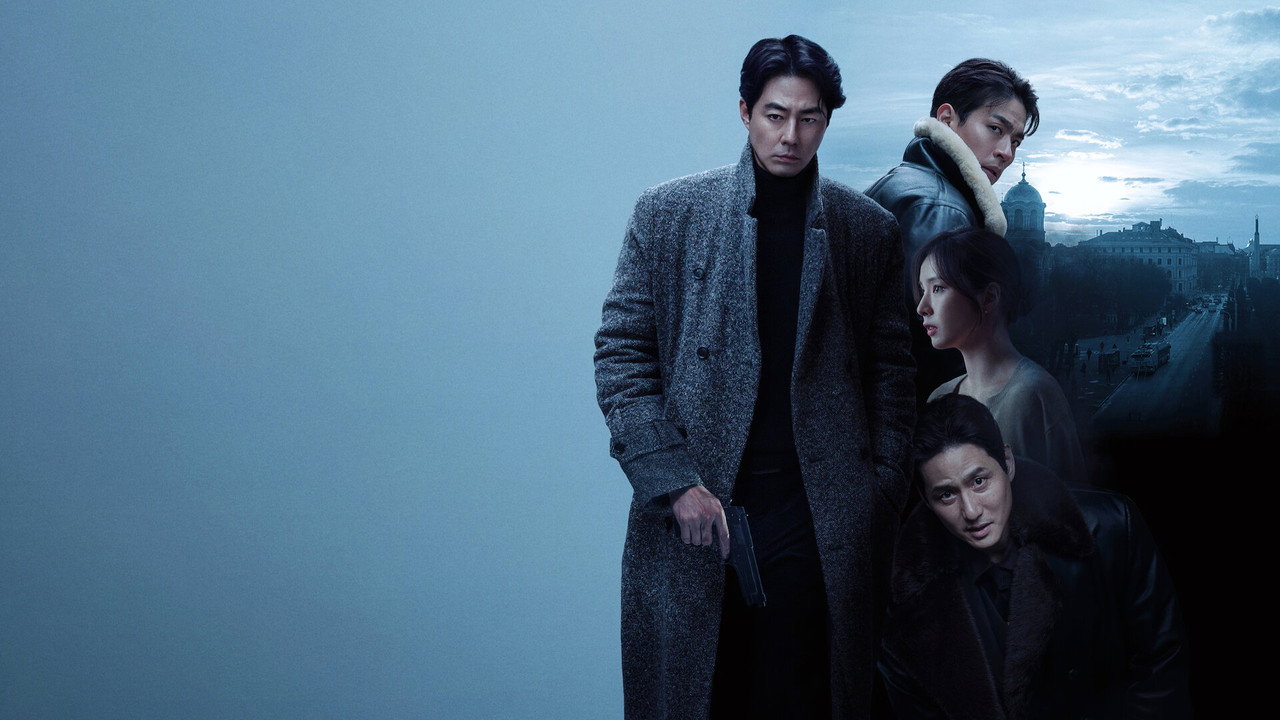
The film's cinematography deserves special mention. The contrast between the cold, grey landscapes of Russia and the vibrant streets of Seoul creates a stunning visual backdrop for the narrative. The action scenes are choreographed with precision, making them thrilling without veering into the realm of over-the-top absurdity. It's this careful attention to detail that enhances the overall atmosphere of Humint.
Audience Reception
Since its release on February 11, 2026, Humint has garnered positive feedback from both audiences and critics. Many appreciate its blend of thriller and drama, while others praise the realism in its portrayal of espionage. However, it's worth noting that some critiques point to the pacing in the film's mid-section, suggesting it could have benefited from tighter editing.
Comparative Analysis
In the context of recent Korean thrillers, Humint stands out for its grounded approach. Unlike some other films that rely heavily on sensationalism, this film opts for a more cerebral experience. It’s reminiscent of classics like Silenced (2011) in its emotional depth, yet it maintains a unique identity through its focus on espionage.
Conclusion
Overall, Humint offers a well-crafted narrative that touches on important themes while delivering the thrills expected of the genre. With a strong cast and a thought-provoking plot, it is certainly worth a trip to your local cinema or a streaming session when it becomes available. For those in Seoul, you might want to catch it at a nearby CGV or Lotte Cinema before it exits theatres.
As I left the cinema, I couldn't help but reflect on how Humint encapsulates some of the pressing issues in Korean society today, all wrapped in an engaging thriller. Next up, I plan to explore the latest trends in K-Dramas that complement the themes presented in this film. What do you think about the evolving narrative style in Korean cinema?
Images sourced from TMDB. This post uses the TMDB API but is not endorsed or certified by TMDB.