An Honest Travel Guide to Jeju Island from Seoul
Explore Jeju Island with this honest travel guide from Seoul, revealing hidden gems, practical tips, and local insights for your next getaway.
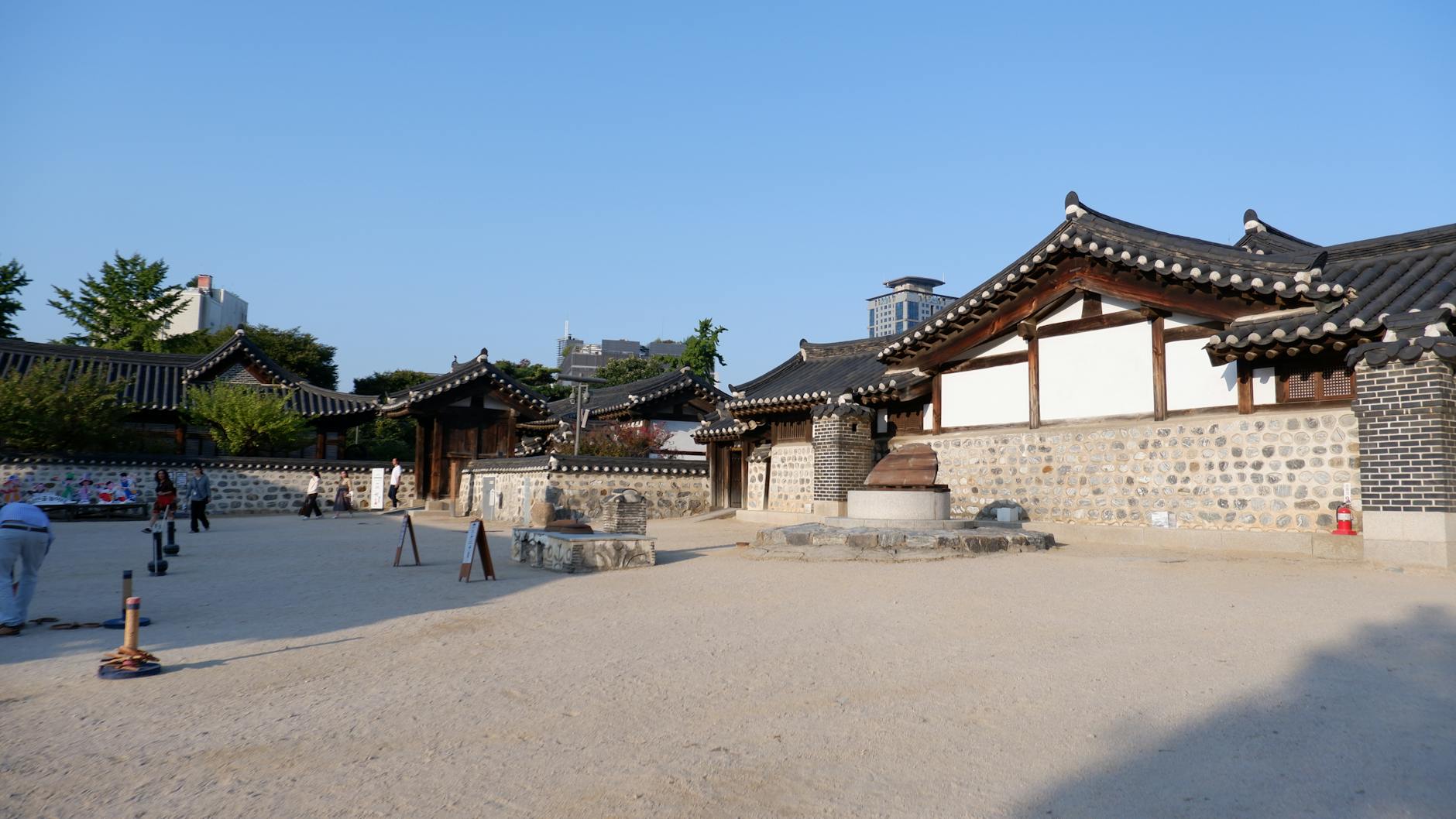
If you live in Seoul, like I do, Jeju Island often seems like the go-to escape for a weekend getaway or a longer holiday. With its breathtaking landscapes and vibrant local culture, Jeju has a lot to offer. However, after several visits, I find it essential to separate the hype from reality. Here’s my honest travel guide to Jeju Island, drawn from real experiences rather than social media fantasies.
Getting There from Seoul
First off, let’s talk logistics. Jeju Island is accessible via direct flights from Gimpo Airport, which is conveniently located in Gangseo-gu. The flight takes about an hour and tends to cost around 60,000 to 120,000 won (approximately $45 to $90) one way, depending on how early you book. The earlier you plan, the better the deals, especially for weekend trips.
Best Time to Visit
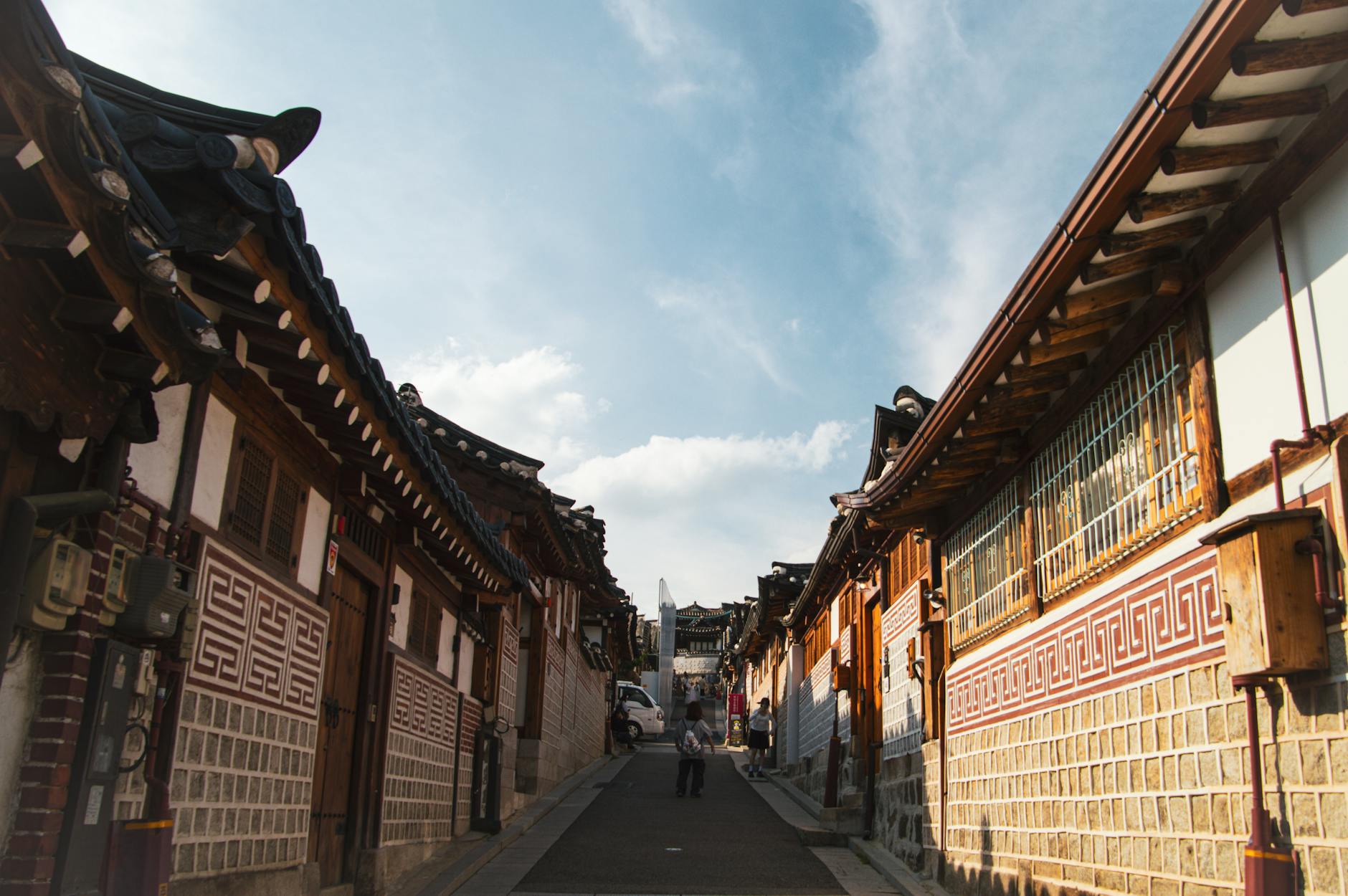
While Jeju is beautiful year-round, spring (April to June) and autumn (September to November) are particularly nice. During spring, you can catch the cherry blossoms, and in autumn, the foliage is stunning. I found summer to be a bit overrated due to the humidity, and winter can be chilly and less appealing for outdoor activities.
Must-Visit Attractions
Jeju is famous for its natural beauty, but some attractions are more touristy than others. Here are my top recommendations:
- Hallasan Mountain: This is the highest mountain in South Korea and offers various hiking trails. If you’re up for it, the summit hike is worth the effort.
- Seongsan Ilchulbong: Also known as Sunrise Peak, this UNESCO World Heritage site offers an easy climb and impressive views, especially at dawn.
- Jeongbang Waterfall: This waterfall is unique because it drops directly into the ocean. It’s easily accessible and a great spot for photos.
- Seopjikoji: A scenic coastal area perfect for leisurely walks. The views are stunning, especially against a sunset.
Food and Drink
No trip to Jeju would be complete without sampling local specialties. Here are a few dishes I recommend:
- Fresh Seafood: Jeju is known for its seafood, especially grilled mackerel and sashimi. Head to the local fish markets, like the one in Seogwipo, for the freshest options.
- Black Pork BBQ: Jeju black pork is famous across Korea. You can find great places in Jeju-si, like Heukdonga, where a meal will cost around 30,000 won ($23) per person.
- Hallabong Oranges: These are local tangerines that are sweet and juicy. You can often find them at markets or as juice.
Accommodations
Jeju offers a range of accommodation options, from luxury resorts to guesthouses. For a more local experience, consider staying in a guesthouse in the Halla Mountain area. You can often find rooms for around 50,000 won ($38) per night. If you prefer luxury, the Shilla Jeju is a beautiful resort, albeit pricey, at roughly 200,000 won ($150) per night.
Transportation on the Island
Getting around Jeju can be a bit tricky without a car. While public transport exists, it’s limited. I recommend renting a car, which can cost between 50,000 to 80,000 won ($38 to $60) per day. This gives you the flexibility to explore the island’s hidden corners at your own pace.
Hidden Gems
While everyone flocks to the popular sites, here are a couple of lesser-known spots worth visiting:
- Udo Island: A short ferry ride from Jeju, Udo offers stunning beaches and a laid-back vibe. Rent a bike to explore its charm.
- Manjanggul Lava Tube: This UNESCO site is fascinating and less crowded than other attractions. It’s a cool escape from the sun.
What to Watch Out For
Despite its beauty, Jeju is not without its drawbacks. Peak tourist seasons can lead to overcrowding at major attractions. Always check for local festivals or holidays that might affect your visit, as some places can become overwhelming. Additionally, while the food is delicious, some restaurants can be quite pricey considering the portion sizes. Look for local eateries to avoid tourist traps.
Final Thoughts
Jeju Island has its charms, but it’s essential to approach it with realistic expectations. While it boasts stunning landscapes and unique culture, not every experience is worth the hype. Plan wisely, explore beyond the usual spots, and you’ll uncover the true essence of this beautiful island.
Next in this series, I’ll share my thoughts on the best local markets in Seoul, offering a guide to hidden gems where you can find unique souvenirs and delicacies.
Photos by Co Hai, Saksham Vikram, Huy Phan via Pexels