Visiting Gyeongbokgung Palace: An Honest Guide for Foreigners
Explore Gyeongbokgung Palace with insights from locals. Discover tips, best times to visit, and what to skip for a more authentic experience.
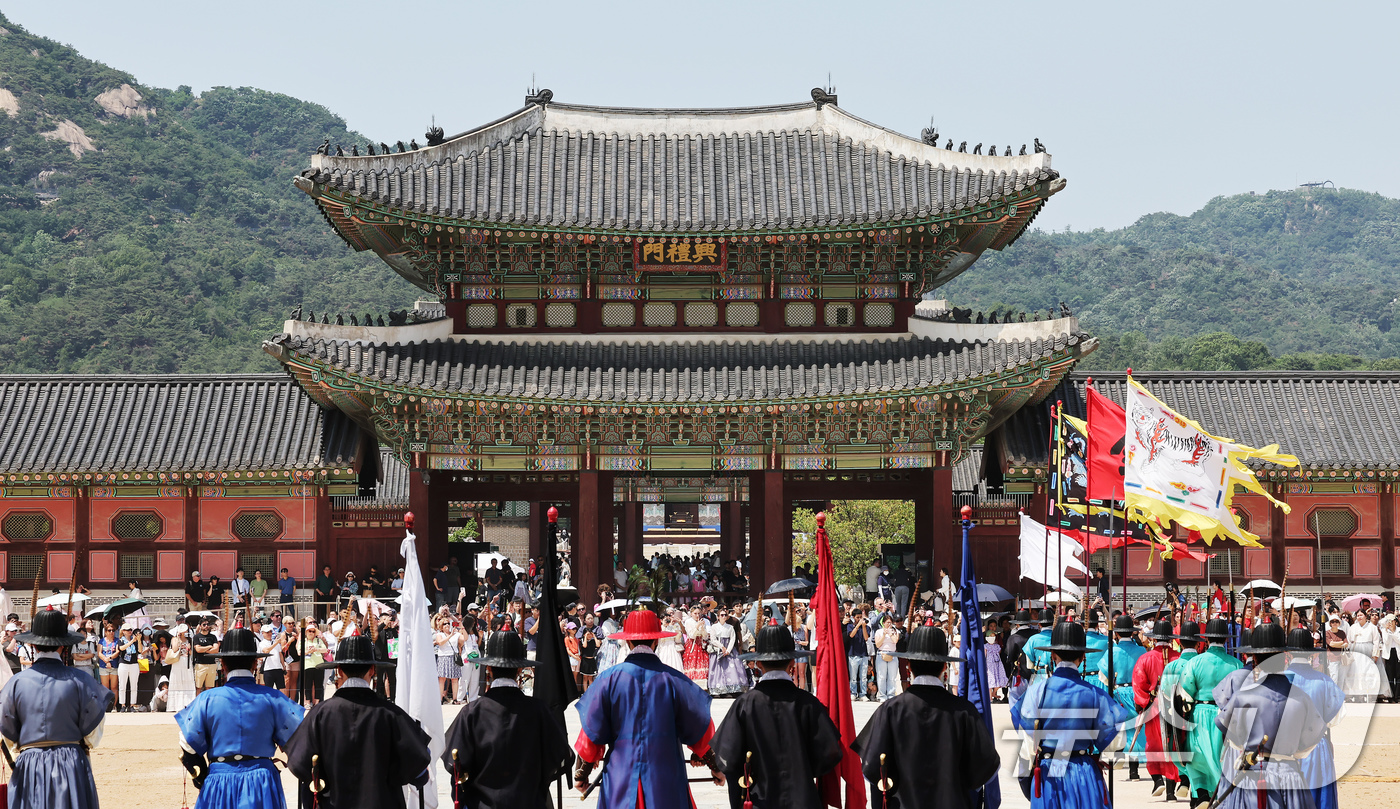
As a resident of Seoul, I often find myself wandering through Gyeongbokgung Palace, a stunning emblem of Korea's royal heritage. Nestled in the heart of the city, it’s an essential stop for anyone looking to understand Korea’s history and culture. However, it’s crucial to approach this site with a realistic perspective, especially when hearing about it from tourists.
Understanding the Historical Context
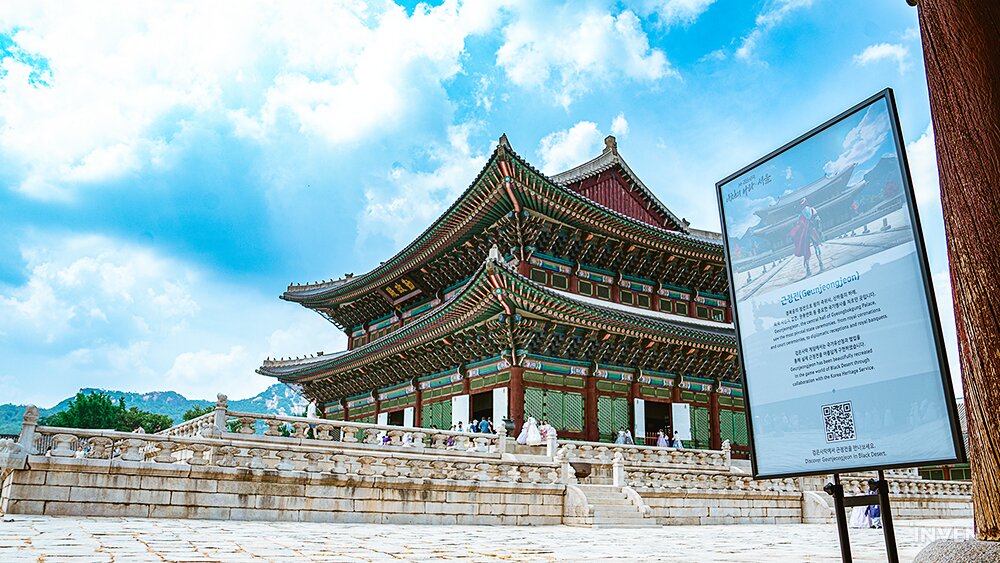
Gyeongbokgung, built in 1395, was the main royal palace of the Joseon Dynasty. It served as the administrative heart of the ancient kingdom but has faced destruction and restoration multiple times throughout its history, most notably during the Japanese occupation. This layered history adds depth to your visit but also means that not everything you see is authentically ancient.
When to Visit
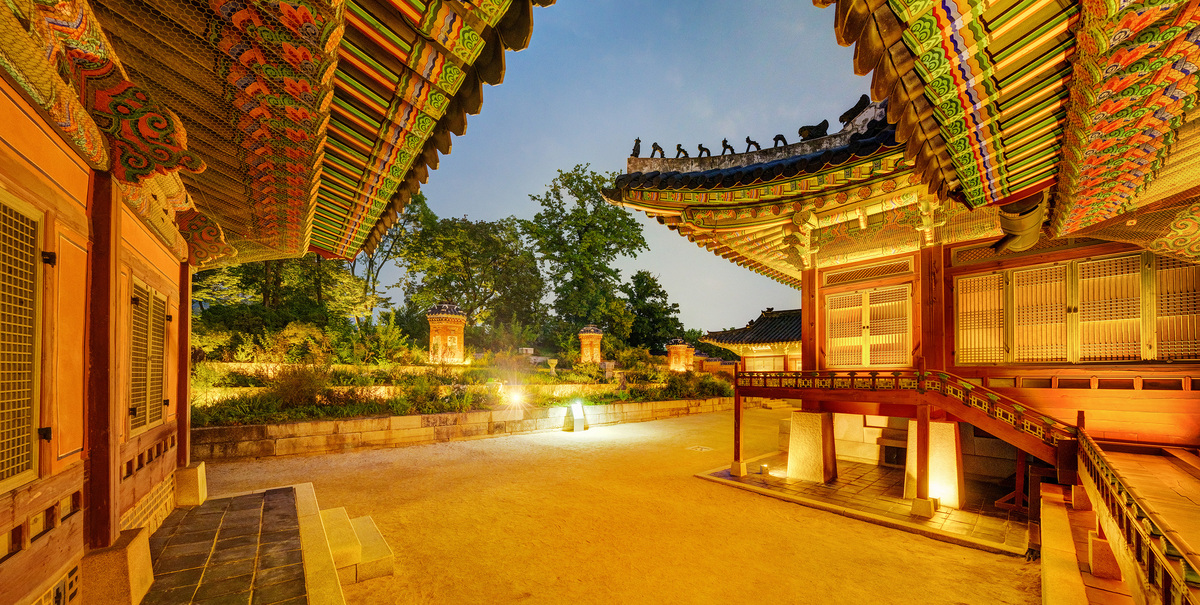
The best time to visit Gyeongbokgung is during the spring or autumn months, when the weather is mild and the surroundings are particularly picturesque. While many tourists flock here during weekends, if you're looking to experience it with fewer crowds, aim for a weekday morning. Early June is an excellent choice, as the cherry blossom season wraps up and the gardens are lush.
Admission Fees
As of October 2023, the admission fee is 3,000 won (approximately $2.20). This is minimal considering the history and architecture you’ll be experiencing.
What to Expect
- Changing of the Guard Ceremony: This occurs at 10:00 AM and 2:00 PM and lasts about 20 minutes. It’s quite popular and definitely worth seeing, though it can get crowded.
- Guided Tours: While the free guided tours offered at certain times can enhance your understanding, don’t feel obligated to join one. Many prefer to explore at their own pace.
- Photo Opportunities: The picturesque backdrop is perfect for photos, but be mindful of the rules about where you can and can’t take pictures, especially near the main buildings.
Tips from Locals
From my own visits and conversations with other locals, here are a few honest tips:
- Skip the Souvenir Shops: While they may be appealing, I've found the prices to be significantly marked up. Instead, check out the nearby Insa-dong for more unique souvenirs at better prices.
- Wear Comfortable Shoes: This is a big site with a lot of walking involved. Sneakers or comfortable sandals are highly recommended.
- Bring Water: There are a few cafes inside, but they can be pricey. Bring your own bottle to stay hydrated.
Local Eateries Nearby
After exploring the palace, you can find numerous eateries nearby to refuel. Here are a few of my favourites:
- Gwangjang Market: It’s a bit further away, but if you’re in the mood for authentic street food, it’s worth the trek. Here, you can try bindaetteok (mung bean pancakes) for around 4,000 won ($3).
- Cheonggyecheon Stream: Just a short walk from the palace, you can find various cafes along the stream. Enjoy a korean-style iced coffee for around 5,000 won ($3.80) while people-watching.
What to Avoid
While Gyeongbokgung is stunning, some aspects are overrated:
- Overly Touristy Experiences: Be cautious of guided tours that promise a lot but deliver minimal engagement. They can feel rushed and miss the subtle beauty of the palace.
- Skipping the Museum: The National Palace Museum of Korea is conveniently located on the palace grounds. It’s often overlooked, but it offers great insights into royal life and artefacts.
Final Thoughts
Gyeongbokgung Palace is undoubtedly a must-visit, but it’s essential to approach it with the right expectations. Understanding its history and navigating the site like a local can enrich your experience. Whether you’re visiting for the architecture, history, or just to take a few Instagram-worthy pictures, the palace has something to offer everyone.
In my next post, I’ll explore the hidden gems of Seongsu-dong, a neighbourhood that reflects the vibrant and evolving culture of Seoul.
Photos by via Pexels